Understanding AI Inference and Its Importance
AI inference is a critical component of artificial intelligence systems, representing the process through which trained models generate predictions and insights from new, unseen data. This fundamental phase of AI enables applications to respond dynamically to real-time information, making it essential in diverse sectors such as healthcare, finance, and autonomous systems. As organizations increasingly deploy AI technologies, understanding the mechanics of inference becomes vital for optimizing performance and ensuring efficient resource utilization.
When exploring options, AI inference provides comprehensive insights into how energy and computing power can be aligned to maximize output and minimize costs in AI operations. With the growth of the AI Token Economy, the interplay between AI inference and power infrastructure will play a crucial role in shaping the future of technology and its impact on the economy.
What is AI Inference?
AI inference refers to the execution phase of machine learning, where an already trained model is utilized to make predictions based on new input data. Unlike the training phase, which involves learning from a dataset to adjust the model's parameters, inference applies the learned patterns to deliver outputs. This process is integral to applications such as natural language processing, image recognition, and decision-making systems.
The Role of AI Inference in Modern AI Systems
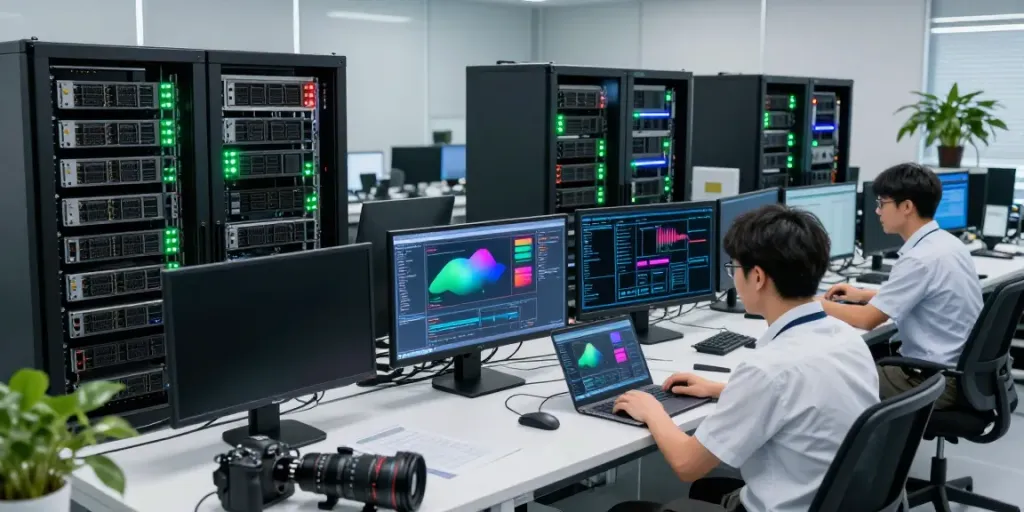
Modern AI systems rely heavily on inference to deliver real-time results. For instance, when a user queries a chatbot, the AI model utilizes inference to understand the context and generate an appropriate response. This capability is powered by vast data centers equipped with high-performance GPUs, which process significant amounts of information rapidly. As technology evolves, the demand for efficient AI inference is only set to rise, necessitating robust infrastructure to support it.
Key Differences Between AI Training and Inference
- Purpose: Training focuses on learning from data while inference aims to apply that knowledge to new scenarios.
- Resource Usage: Training is computationally intensive and may take hours or days, whereas inference typically completes in milliseconds to seconds.
- Data Requirements: Training requires large, labeled datasets, but inference works with much smaller input data.
How AI Inference Powers the Token Economy
The AI Token Economy relies on the quantification of computing resources through tokens, which represent measurable units of AI workload. As AI models process tasks, they generate and consume these tokens, establishing a direct link between power usage and economic value. This unique system fosters a new economic model where participants can contribute to the power infrastructure that supports AI operations.
The Relationship Between Power and AI Inference
Power plays a pivotal role in enabling AI inference, as computational tasks require electricity to operate the necessary hardware. Efficient power management ensures that AI models can run smoothly, maximizing the output of token-metered services. As AI demands increase, so does the necessity for a stable and scalable power supply, making energy providers critical partners in the AI ecosystem.
Token-Metered AI Services Explained
Token-metered AI services utilize a consumption-based model where users pay for the AI resources they actively use. This model aligns costs with actual performance, allowing businesses to optimize their AI investments. As a result, organizations can plan their AI strategies more effectively, understanding the relationship between their input (electricity and computing power) and output (AI performance and tokens generated).
Benefits of Contributing Power to AI Inference Systems
- Financial Rewards: Participants can earn rewards based on their contributions to the AI infrastructure.
- Scalability: Contributing power facilitates the expansion of AI capabilities without requiring significant investment in data center infrastructure.
- Energy Efficiency: By optimizing power usage, participants can contribute to more sustainable AI practices, reducing the carbon footprint of AI operations.
Choosing the Right AI Infrastructure Power Plan
Selecting an appropriate power plan is essential for maximizing participation in the AI Token Economy. Various plans cater to different levels of engagement, resource needs, and reward structures. Understanding these options can help individuals and organizations align their contributions with their operational goals.
Types of Power Plans for AI Inference
Power plans vary significantly in their offerings, from basic access for minimal users to advanced plans for large-scale enterprises. Key options include:
- Core Power Access: Ideal for individuals or small companies seeking to participate with limited power.
- Enhanced Power Access: Provides additional resources for businesses with moderate AI workloads.
- Advanced Power Access: Tailored for enterprises that require substantial computing capacity and energy support.
Calculating Rewards Based on Inference Contributions
Rewards in the AI Token Economy are calculated based on the power contributions made by participants during a settlement period. The formula considers the amount of electricity supported, the volume of tokens processed, and any applicable operating costs. This transparency ensures that participants can see a direct correlation between their contributions and the rewards they earn.
Evaluating Your Participation Options
When considering participation in the AI infrastructure, individuals and businesses should evaluate their resource needs, budget constraints, and desired level of involvement. Whether opting for a basic plan or committing to high-capacity options, understanding the features of each plan can lead to better decision-making and optimized AI performance.
Best Practices for Maximizing AI Inference Performance
To ensure that AI inference systems operate at peak performance, organizations should adopt best practices that enhance efficiency and resource management. As AI workloads grow, maintaining this performance becomes increasingly critical.
Monitoring and Managing AI Workloads Efficiently
Real-time monitoring of AI workloads is essential for optimizing resource allocation and performance. Tools and platforms that provide insights into computing usage, power consumption, and token generation can help organizations make data-driven decisions. Regular assessments of these metrics can lead to adjustments that enhance efficiency and reduce waste.
Scaling AI Inference Operations with Infrastructure
As demand for AI services grows, scaling the underlying infrastructure is crucial. This includes expanding power supply agreements, investing in high-density GPU setups, or leveraging cloud-based resources to meet fluctuating needs. Ensuring that infrastructure can scale in tandem with AI capabilities allows businesses to remain competitive and responsive to market demands.
Common Pitfalls and How to Avoid Them
- Underestimating Power Needs: Failing to accurately assess energy requirements can lead to inefficiencies and service interruptions.
- Poor Resource Allocation: Without proper monitoring, power and computing resources may be misallocated, affecting overall performance.
- Lack of Flexibility: Limiting participation options can stifle growth; embracing scalable and adaptable plans is vital for future needs.
Future Trends in AI Inference Through 2026 and Beyond
The landscape of AI inference is set to evolve rapidly due to technological advancements and increasing demand across industries. Understanding these trends is essential for anyone involved in AI infrastructure or seeking to optimize their AI investments.
Innovations in AI Infrastructure and Energy Efficiency
Future innovations will focus on improving energy efficiency within AI infrastructure. From utilizing renewable energy sources to optimizing power distribution through intelligent systems, the emphasis will shift towards minimizing environmental impact while maximizing performance. These innovations not only contribute to sustainability but also lower operational costs over time.
Predictions for AI Inference Applications in Various Industries
- Healthcare: Enhanced diagnostic systems utilizing real-time data processing for improved patient outcomes.
- Finance: AI-driven risk assessment and fraud detection systems that operate with unprecedented speed and accuracy.
- Autonomous Vehicles: More sophisticated navigation and decision-making systems powered by real-time AI inference.
Preparing for Emerging Changes in AI Technology
As AI technology continues to advance, organizations must stay informed and flexible. This includes training staff on new AI tools, revising operational strategies to accommodate emerging trends, and being open to new participation methods within the AI Token Economy. Embracing change will ensure that businesses remain competitive and can leverage AI advancements to their advantage.
What are the primary applications of AI inference?
Applications of AI inference span across many fields, including finance for real-time analytics, healthcare for diagnostics, and entertainment for recommendation systems. The versatility of AI inference enables organizations to apply machine learning solutions to practical challenges swiftly.
How does AI inference differ from AI training?
AI inference is distinct from AI training in that it applies a trained model to generate outcomes, while training involves creating that model through iterative learning from data. This difference highlights the importance of both phases in developing effective AI applications.
What challenges might arise in AI inference systems?
Challenges in AI inference can include latency issues, resource constraints, and the need for continuous monitoring to ensure optimal performance. Organizations must proactively address these challenges to maintain system reliability and efficiency.
How important is power management for AI inference?
Power management is critical for AI inference, as it directly affects the operational cost and performance of AI systems. Efficient power usage not only saves costs but also supports scalability, essential for meeting growing demand.
What future trends should we expect in AI inference?
Future trends in AI inference will likely include advancements in hardware efficiency, greater use of cloud technologies, and innovations in energy management solutions. These trends will further improve the responsiveness and scalability of AI applications across various sectors.