Why Choose Giant Building Blocks?
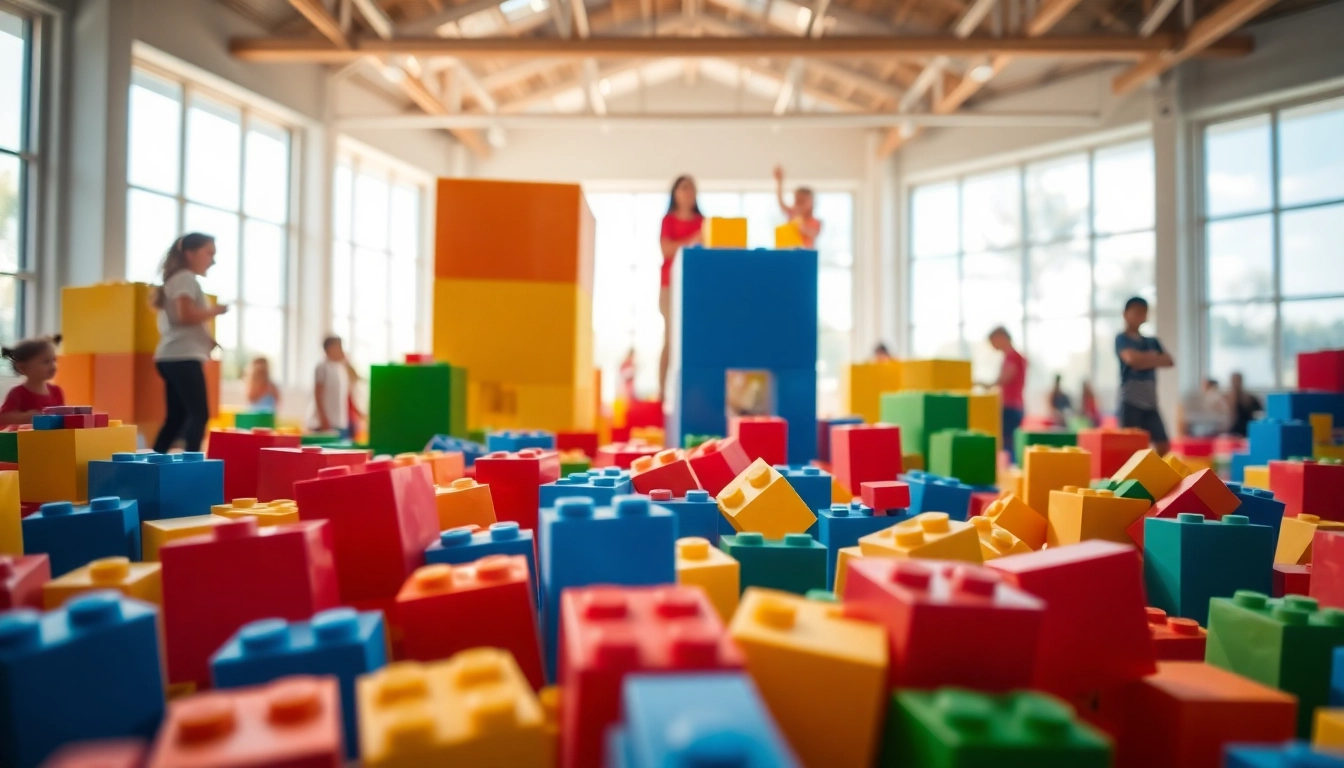
Giant building blocks have captured the imaginations of children and parents alike, inviting endless possibilities for play and learning. These oversized units not only transform simple playtime into grand adventures but also serve as valuable tools for development. As children manipulate these blocks, they're not just building structures; they're constructing cognitive skills and social connections. To explore various benefits and uses, discover more about how these blocks can enrich your child's play experiences.
The Benefits of Large Building Blocks
Giant building blocks provide a multitude of benefits that encourage growth in children across various domains. First and foremost, these blocks promote physical activity as children lift, stack, and arrange them in engaging ways. This active play contributes to gross motor skills development and overall physical health. Additionally, the tactile nature of building blocks stimulates sensory exploration. Children experience different textures and weights, fostering sensory integration.
Moreover, large building blocks serve as an educational medium, allowing children to engage in early math concepts and spatial reasoning. When kids stack blocks to a certain height or arrange them in patterns, they are unconsciously engaging in problem-solving activities that build foundational math skills. Furthermore, working with blocks encourages creativity, as children can express themselves through handcrafted designs, be it a towering structure or an intricate maze.
Enhancing Creativity and Imagination
The imaginative possibilities with giant building blocks are virtually limitless. Children can role-play, creating scenarios where they build castles, homes, or even spaceships. This imaginative play nurtures creative thinking, allowing children to explore narratives and develop storytelling skills. By providing a platform where imagination is encouraged, giant building blocks stimulate cognitive development and emotional expression.
In addition, they can enhance cognitive flexibility by giving children the chance to create whatever comes to mind. For instance, a simple block can become a part of various themed play sessions, whether it’s a pillar in a fort, a bridge for toy cars, or an ingredient in a make-believe cooking show. This versatility not only keeps playtime fresh and engaging but also teaches children that there are many ways to approach a problem.
Promoting Social Interaction Among Kids
Giant building blocks also serve as an effective means to foster social interaction. When children play together, they learn essential social skills such as sharing, communication, and teamwork. Collaborating on a building project promotes a sense of community and belonging. Children learn the value of listening to others’ ideas, negotiating roles, and working together towards a common goal, which are critical skills for their future success.
Moreover, group play with large blocks encourages confidence as children express their thoughts and contribute to the development of a communal structure. Being involved in a shared activity reduces the likelihood of feelings of isolation and promotes emotional intelligence as children navigate friendships, resolve conflicts, and celebrate achievements together.
Types of Giant Building Blocks Available
Different Material Options
The materials used in giant building blocks vary widely, from traditional wood to durable plastic and foam. Wooden blocks are often favored for their aesthetic appeal and natural feel. They may be more intense to lift but provide a sensory experience that promotes an appreciation for craftsmanship.
On the other hand, plastic blocks are lightweight, making them easier for younger children to handle. They often come in bright colors and are resistant to weather, which allows for outdoor play. Foam blocks, another option, are perfect for young toddlers since they provide a soft surface that reduces the risk of injury during playtime.
Each material comes with its benefits, and parents can choose according to their child’s age and the intended play environment.
Blocks of Various Shapes and Sizes
Alongside material variations, giant building blocks also come in an array of shapes and sizes. From traditional cubes and rectangles to more unique shapes like triangles, arches, and even themed pieces like vehicles and animals, the variety serves to inspire children’s creativity. Different shapes allow for diverse building techniques, which can result in more complex structures and designs.
The inclusion of uniquely shaped blocks enhances spatial awareness and problem-solving abilities, as children figure out how different components can fit together. Consequently, this fosters critical thinking as children experiment with balance, symmetry, and proportions in their builds.
Themed Sets for Interactive Play
Many manufacturers offer themed sets that come complete with blocks designed to represent specific structures or concepts, such as castles, vehicles, or even landscapes. These themed play sets can undeniably enhance storytelling and imaginative play, allowing children to not only build but also enact narratives around their creations.
Themed sets often come with characters or additional accessories that can further encourage role-playing elements. By incorporating these themes, children engage in deeper play scenarios that can involve critical thinking as they troubleshoot challenges or conflict resolution while playing out stories from their imaginations.
Setting Up the Perfect Play Area
Choosing the Right Space Indoors
To maximize the benefits of large building blocks, setting up an effective indoor play area is essential. Space constraints can be a challenge, but it’s important to allocate an area that allows for movement, creativity, and safety. Open spaces with soft flooring, such as carpets or padded mats, can help minimize accidents and provide comfort during extended play.
On the other hand, incorporating tables or benches can create a designated zone for building and examining designs up close. If resources allow, consider using dividers or furniture to create a dedicated building zone that invites uninterrupted exploration.
Designing Safe Play Environments
Safety is paramount when designing a play area for giant building blocks. Ensuring there are no sharp edges or hazards within the play space is crucial. Regularly audit the area for items that could pose a risk, and keep the play area free of clutter to avoid tripping hazards.
Additionally, parents can supervise playtime, especially for younger children, to ensure that play remains respectful and safe. Employing soft blocks for toddlers or young children is a wise decision that decreases the risk of injury while providing a fulfilling play experience.
Incorporating Accessories to Boost Fun
To enhance playtime with giant blocks, adding accessories like construction hats, toy figurines, and themed decorations can elevate the experience. Children can dress up as builders or characters from their stories, diving headfirst into their imaginative worlds. Toy tools, like hammers and wrenches, add new elements to the construction experience, inspiring them to problem-solve as they work on their structures.
Moreover, using colored ropes or elastic bands can extend builder creativity. For instance, children can learn about tension and balance while using ropes to create bridges or connecting structures. The more immersive the play experience, the richer the developmental benefits children will yield.
Activities and Games with Building Blocks
Group Challenges to Encourage Teamwork
Engaging children in group challenges can significantly enhance the fun and learning aspect of block play. Challenges like building the tallest tower or the longest bridge not only promote competitiveness but also teamwork. Team members must communicate and collaborate to strategize and execute their building techniques effectively.
Incorporating time limits can add excitement to the challenge, prompting children to think quickly and creatively. To further foster inclusiveness, teams can be mixed with varying age groups, allowing older children to mentor younger ones, thus tailoring play to different skill levels while reinforcing empathy and leadership qualities.
Creative Storytelling with Block Play
Storytelling sessions using giant building blocks can be delightful for kids and beneficial for language development. Children can build sets or scenes based on narratives they are familiar with or create their own stories using the blocks as a medium. This type of play fosters verbal skills, as children articulate their ideas, negotiate roles, and narrate the unfolding story.
By encouraging children to incorporate various sensory elements—like sound effects or dialogue during play—this creative storytelling promotes imaginative growth while reinforcing basic literacy skills. Facilitators can even record or illustrate the stories afterward, manifesting their creative expressions and promoting pride in their efforts.
Educational Uses of Building Blocks
Large building blocks are not just for fun; they have robust educational applications as well. For example, educators can use them to introduce concepts in math, science, and engineering. Activities like measuring the height of structures, discussing balance and gravity principles, or exploring geometric shapes can seamlessly integrate learning with play.
Children can experiment with weight and stability by building various structures and observing what combinations are most successful. Furthermore, through trial and error, children learn about persistence and resilience, teaching them that failure is often part of the learning process.
Maintaining and Storing Building Blocks
Cleaning and Sanitizing Tips
Maintaining hygiene in play environments is essential, especially as children often mouth toys or put their hands on their faces while playing. Regular cleaning and sanitization of giant blocks should be incorporated into routine maintenance. For wooden blocks, using a mildly damp cloth is ideal, followed by ensuring they are dried properly to prevent mold.
In contrast, plastic and foam blocks can typically be soaked in a mild soap solution before being rinsed with water and air-dried. Parents should check the manufacturer’s guidelines to ensure appropriate cleaning methods are being used that won't damage the material.
Best Storage Solutions for Easy Access
Efficient storage solutions can greatly enhance play experiences. Clear bins or boxes labeled with images or color-coded systems provide visual cues for children, promoting organization and encouraging independence as they learn to tidy up after playtime. Wall-mounted shelves can also offer an interesting way to display blocks while maintaining easy access during play.
If space allows, creating a dedicated playroom with shelving specifically for giant building blocks fosters an inviting atmosphere that encourages children to engage and play freely without feeling restricted by clutter.
Keeping Blocks in Good Condition
Ensuring that building blocks remain in good condition promotes longevity and continues to offer enjoyable play experiences. Regular inspection of blocks for signs of wear or damage should be standard practice. If any blocks break or become chipped, set them aside for repairs or replacement to prevent sharp edges from becoming hazards.
Additionally, consider implementing a cycle for block use, ensuring that not all blocks are used at once to prolong their life. A little attention to maintenance can expand the usability of building blocks, maximizing their investment in terms of playtime and learning.
Conclusion
Giant building blocks present a world of limitless possibilities for creativity, education, and social interaction among children. By selecting the right types, materials, and setting up an engaging play environment, parents can facilitate profound development opportunities for their children. From collaborative play to individual creativity, the benefits of these large building structures extend far beyond mere entertainment. Whatever the occasion, giant building blocks stand as timeless toys that promote learning, engagement, and fun for children of all ages.
Frequently Asked Questions
How can giant building blocks promote learning?
Giant building blocks encourage hands-on learning through play, helping develop problem-solving skills, spatial awareness, and fine motor skills while engaging in creative and educational activities.
What age group is best suited for large building blocks?
Giant building blocks are suitable for children ages 1 and up. Different materials and sizes cater to various age groups and developmental stages, ensuring safety and enjoyment.
Are there specific themes for building block play?
Yes, themed sets are available, representing castles, villages, cars, and more, offering children opportunities to engage in imaginative role-play and storytelling alongside building.
How should I clean giant blocks?
Wooden blocks can be wiped with a damp cloth, while plastic and foam blocks can be washed with mild soap, rinsed, and air-dried to ensure they are sanitized and safe for children.
What storage solutions are recommended for large blocks?
Clear bins for organization, labeled storage, and wall-mounted shelves offer efficient storage options, promoting easy access and organization for a tidier play environment.