Understanding the Importance of Packaging for Emerging Brands
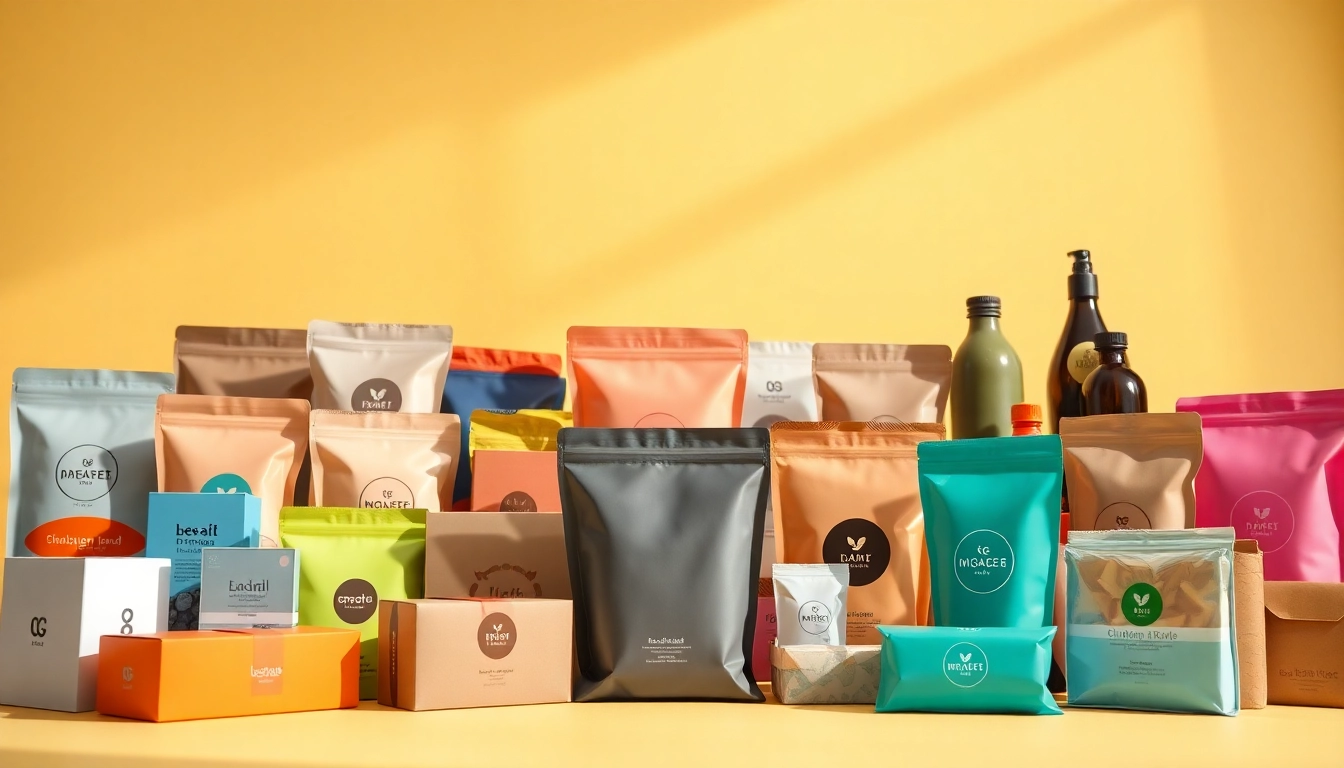
In an increasingly competitive market, the packaging of products has emerged as a crucial element for emerging brands striving for visibility and consumer connection. Excellent packaging goes beyond mere aesthetics; it encompasses functionality, protection, and communication. A strategic approach to packaging is vital for any brand wishing to carve out its niche. Emphasizing the practical importance of Packaging for Emerging Brands ultimately influences customer perceptions and buying behaviors.
Brand Identity Through Packaging
Brand identity is a significant determinant of consumer preference. Packaging acts as the first point of visual contact and must reflect the brand's essence, mission, and values. Emerging brands that invest in unique packaging designs can effectively communicate their story and establish a strong emotional connection with their audience. Furthermore, consistent packaging design across products fosters brand recognition, ingrain brand identity in the consumer's mind, and position the brand favorably against competitors.
The Role of Packaging in Product Protection
Protecting the physical integrity of products during storage and transportation cannot be overstated. For emerging brands, subpar packaging can lead to product spoilage, damage, and consumer dissatisfaction. Effective packaging not only ensures safety but also prolongs shelf life, important for products such as food and cosmetics. Utilizing quality materials and design maximizes protection, safeguards the brand's reputation, and reduces the likelihood of costly returns.
How Packaging Influences Consumer Behavior
Packaging has an extraordinary ability to affect consumer purchasing decisions. Research shows that consumers often make judgments about products within seconds of viewing their packaging. Elements like color, form, texture, and imagery play vital roles in signaling quality and value. By leveraging effective packaging strategies, brands can enhance shelf appeal, provoke curiosity, and ultimately motivate purchases. An astute combination of emotional appeal and clear messaging can drive home product attributes that resonate with the target audience.
Key Elements of Successful Packaging Design
Successful packaging design integrates several essential elements that work collectively to express brand identity and deliver consumer satisfaction. The following components should be prioritized during the design process.
Color Psychology in Packaging
Color choices in packaging go beyond mere aesthetics; they are fundamentally tied to psychological influences that prompt consumer reactions. Different colors evoke distinct emotions and perceptions. For instance, while green often symbolizes health and eco-friendliness, red can evoke a sense of urgency and attract attention. Emerging brands should conduct research to determine the best colors to represent their mission and to resonate with their audience's preferences. Additionally, color consistency across product lines reinforces brand identity.
Typography and Visual Messaging
Typography serves as an effective mode of communication in packaging design. The typeface chosen influences readability and also reflects brand personality. For example, a modern sans-serif font might communicate innovation, while a serif font may exude tradition and reliability. Typography, paired with clear visual messaging, can articulate essential information such as product benefits, usage instructions, and brand values. Effective use of space in the design can optimize message delivery without overwhelming potential customers.
Material Selection for Sustainability
Sustainable packaging is becoming a non-negotiable requirement for modern consumers, with eco-conscious choices gaining momentum. Emerging brands should consider materials that are recyclable, biodegradable, or made from renewable resources. Not only does this appeal to environmentally conscious consumers, but it also builds a brand’s image as responsible and forward-thinking. Additionally, using innovative packaging materials can enhance the function and aesthetics of the product, providing a competitive edge.
Trends Shaping Packaging for Emerging Brands in 2026
The landscape of packaging is constantly evolving, influenced by technological advancements and changing consumer preferences. Emerging brands must remain abreast of these trends to stay relevant and competitive.
Eco-Friendly Packaging Solutions
As sustainability becomes a prevailing concern among consumers, brands that adopt eco-friendly packaging stand to benefit significantly. Innovations such as biodegradable materials, minimalistic designs, and reuse strategies are not only planet-friendly but also appeal to a niche market segment that values corporate responsibility. Brands investing in sustainability can foster customer loyalty and brand trust, key drivers of long-term success.
Minimalist and Functional Designs
Minimalism remains a key trend, driven by consumer preferences for simplicity and clarity. Minimalist packaging emphasizes essential product features without unnecessary embellishments, enhancing user experience. Functionality is paramount; designs that are easy to open, store, and recycle resonate well with consumers. Employing a straightforward aesthetic fosters trust and conveys a sense of transparency about the product and its brand.
Smart Packaging Technologies
Smart packaging incorporates technology to enhance user experience and security. This includes QR codes for engaging marketing experiences, temperature-regulating materials for perishables, and RFID tags for tracking. Emerging brands that deploy smart packaging not only enhance convenience but also display innovation, setting themselves apart from competitors. The interaction possibilities through smart technology can foster deeper connections with consumers and encourage brand loyalty.
Cost-Effective Strategies for Developing Packaging
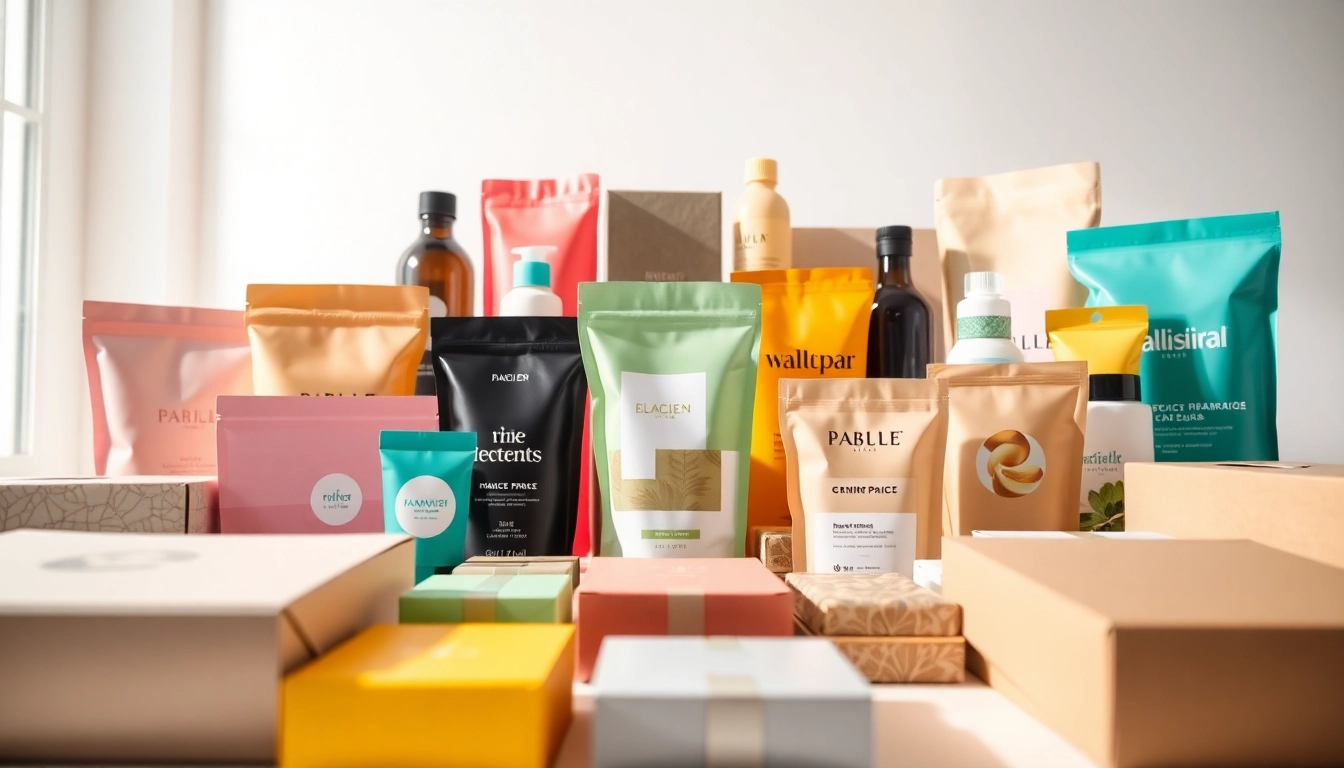
While packaging is an integral part of brand development, emerging brands often face budget constraints. It's essential to explore cost-effective strategies without compromising quality or design integrity.
Balancing Quality and Affordability
Maintaining quality while being mindful of costs is a balancing act. Brands should assess their budget against the specific requirements of their product. Working with reliable suppliers for materials and production can yield cost reductions. Prototyping and testing various packaging options allow brands to find solutions that meet their financial limitations while preserving essential product functions.
Utilizing Market Insights for Packaging Decisions
Market research offers valuable insights that can streamline packaging decisions. By understanding target demographics, competitor offerings, and market trends, emerging brands can make more informed choices regarding design, materials, and messaging. Engaging in regular feedback loops will provide actionable data for continuous improvement.
Collaboration with Packaging Experts
Collaborating with experienced packaging professionals can lead to innovative solutions that are both effective and budget-friendly. Experts can provide insights on design trends, regulatory requirements, and emerging technologies that can enhance packaging performance. Furthermore, utilizing their experience can prevent costly missteps and inefficiencies in the packaging development process.
Measuring the Success of Your Packaging Strategies
To determine the efficacy of packaging strategies, brands must implement measurable performance metrics. This enables ongoing refinement and optimization.
Key Performance Indicators for Packaging
Establishing Key Performance Indicators (KPIs) allows brands to track packaging effectiveness. Metrics may include sales per unit, consumer retention rates, shelf life longevity, and return rates due to damaged goods. Monitoring these indicators will present a clearer picture of packaging performance and its impact on overall business objectives.
Customer Feedback and Market Research
Engaging with customers to gather feedback on packaging can provide insights into consumer preferences and pain points. Surveys, interviews, and focus groups can uncover perceptions of packaging effectiveness, leading to informed design adjustments. Market research should be an ongoing commitment to ensure responsiveness to changing consumer trends.
Iterating on Packaging Designs
Successful packaging is not static; it should evolve based on various factors, including consumer preferences, market trends, and technological advancements. Iteration allows brands to continually refine their packaging solutions. Regular assessment of performance metrics and consumer feedback can inform updates that enhance functionality and appeal.
FAQs
What packaging trends should emerging brands focus on?
Emerging brands should focus on sustainability, personalized designs, and smart packaging to connect with consumers.
How can packaging impact brand perception?
Well-designed packaging enhances brand image, influences consumer trust, and drives purchasing decisions.
What materials are best for eco-friendly packaging?
Recycled paper, biodegradable plastics, and plant-based materials are excellent choices for sustainable packaging.
How do I choose the right packaging for my product?
Consider product safety, target audience preferences, and brand identity when deciding on packaging options.
Is investing in high-quality packaging worth it?
Yes, high-quality packaging enhances product appeal and can lead to higher sales and customer loyalty.