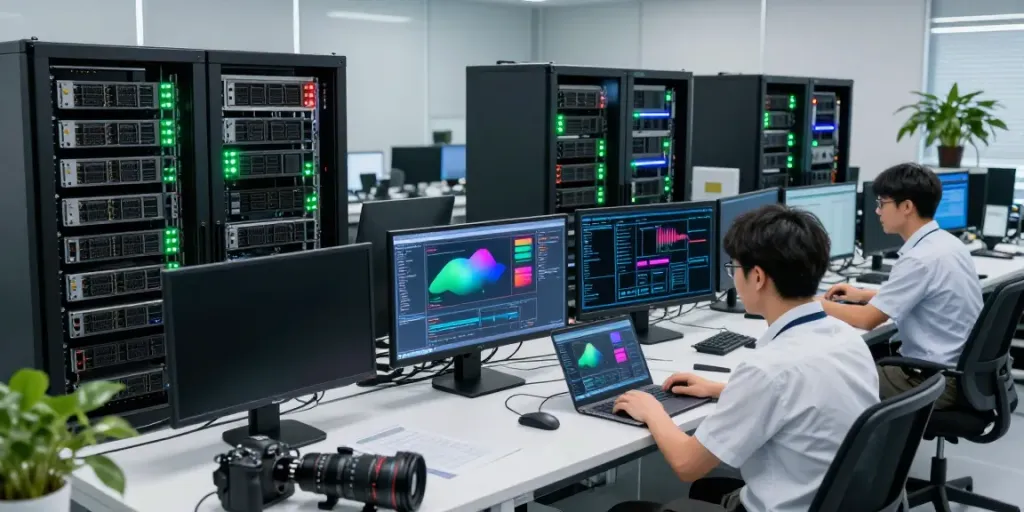
Understanding Deepfakes in Virtual Meetings
The rise of technology in today's virtual meeting landscape has been both a boon and a bane. As businesses and individuals increasingly rely on platforms like Zoom, Microsoft Teams, and Google Meet, the emergence of deepfake technology poses significant challenges. Deepfakes, which use artificial intelligence to create realistic but misleading video and audio content, can lead to security breaches, manipulation, and misinformation during critical meetings. Understanding the implications and mechanisms of deepfakes is essential for organizations looking to secure their online communications.
When exploring options, Deepfake free meetings technologies can help mitigate these risks by ensuring authenticity and security in virtual environments.
What are Deepfakes and How Do They Work?
Deepfakes leverage deep learning algorithms to synthesize facial features and voice patterns, creating videos that appear to be genuine. By analyzing vast datasets of real images and audio samples, these technologies can replicate the appearance and speech of individuals with alarming accuracy. The implications of this for virtual meetings are far-reaching; malicious actors can impersonate colleagues or executives, potentially leading to unauthorized access to sensitive information or financial fraud.
The Impact of Deepfakes on Corporate Security
With deepfake technology advancing at a rapid pace, companies must navigate new security challenges. The ability to convincingly impersonate a person can undermine trust within an organization and erode client relationships. For example, a deepfake could be used to manipulate a CEO’s voice in a call, leading to unauthorized transactions or strategic decisions made based on false information. Additionally, the reputational damage resulting from a well-executed deepfake could be irreparable, making it crucial for companies to implement robust security measures against these threats.
Recognizing Deepfake Technologies in Real-time
Detecting deepfakes in real-time is challenging but not impossible. Various software solutions utilize machine learning to identify anomalies in video and audio streams, alerting users of potential deepfake activity. Understanding the signs of deepfake technology, such as inconsistencies in facial expressions, voice modulation, or background artifacts, can empower teams to act quickly and mitigate risks. By incorporating real-time detection tools into virtual meetings, organizations can enhance their defense against this emerging threat.
Implementing Deepfake Detection Tools
Integrating deepfake detection technology into your virtual meeting protocols is essential for maintaining security. The effectiveness of your deepfake defenses depends on the tools you choose and how well they integrate with your existing platforms.
Choosing the Right Deepfake Detection Software
When selecting deepfake detection software, organizations should evaluate the capabilities of various solutions available on the market. Key features to look for include:
- Real-time detection capabilities that analyze video feeds during meetings.
- Compatibility with popular virtual meeting platforms, ensuring seamless integration.
- User-friendly interfaces that allow for easy adoption by team members.
- Regular updates and a strong support system to keep pace with evolving deepfake technologies.
Integrating Detection Tools into Existing Platforms
Once the right tools are selected, the next step is integration. Ensure that detection software can be smoothly incorporated into existing meeting solutions like Zoom or Google Meet. Proper integration minimizes disruption and maximizes security. Consider conducting pilot tests to assess the performance of the detection tools in the live environment, adjusting settings as necessary to enhance effectiveness.
Best Practices for Using Detection Tools During Meetings
To ensure the effectiveness of deepfake detection tools during meetings, organizations should implement best practices, such as:
- Training staff on how to recognize deepfake signs and the importance of real-time monitoring.
- Establishing protocols for addressing detected anomalies during meetings.
- Conducting regular reviews of software performance and updating detection settings based on new threats.
Building a Secure Virtual Meeting Environment
Creating a secure virtual meeting environment involves more than just installing detection tools. It requires cultivating a culture of security awareness and preparedness among employees.
Establishing Protocols for Virtual Meetings
Organizations should establish clear protocols for virtual meetings, ensuring that all participants understand their roles in maintaining security. This includes using secure links to access meetings, enabling waiting rooms, and requiring authentication for participants. By implementing these measures, the risk of unauthorized access and potential deepfake attacks can be significantly reduced.
Training Employees on Deepfake Awareness
Regular training on deepfake awareness is essential for all team members. Training sessions can focus on the risks posed by deepfake technology and provide employees with the tools needed to recognize potentially manipulated content. This education fosters a proactive security mindset, empowering employees to remain vigilant during meetings.
Conducting Regular Security Audits for Meeting Platforms
Routine security audits of meeting platforms can help identify vulnerabilities and ensure compliance with security protocols. These audits should assess the effectiveness of existing deepfake detection tools and adjust strategies based on any identified weaknesses. Regular audits guarantee that organizations stay ahead of emerging threats in the digital landscape.
Future Trends in Deepfake Technology
As deepfake technology continues to evolve, understanding future trends can help organizations prepare for emerging challenges and opportunities.
Predictions for Deepfake Developments by 2026
By 2026, we can anticipate advanced deepfake techniques that will be even harder to detect. The integration of AI and machine learning will lead to more sophisticated deepfake capabilities, making it crucial for companies to stay informed about the latest developments in detection technology. The ability to spot deepfakes will rely heavily on the continual advancement of detection algorithms and real-time analytics.
Potential Challenges for Businesses and Solutions
As deepfake technology improves, businesses will face increasing challenges regarding trust and security. One potential solution includes investing in blockchain for verification processes, ensuring that digital communications are authentic and traceable. This approach can restore confidence in virtual meetings and protect against deepfake-related incidents.
Emerging Technologies to Combat Deepfakes
Emerging technologies, such as enhanced biometric authentication and AI-driven verification systems, are being developed to combat deepfakes. These solutions offer innovative methods for ensuring the authenticity of participants in virtual meetings, reducing the risk of deepfake impersonation. Staying abreast of these technologies can provide organizations with the necessary tools to defend against future threats.
Case Studies: Successful Implementation of Deepfake Detection
Examining real-world examples of deepfake detection implementation can provide valuable insights for organizations looking to enhance their security.
Company A: Enhancing Video Conference Security
Company A, a leading finance firm, successfully integrated deepfake detection tools into their video conferencing software. By training employees and implementing strict protocols, they reduced the risk of unauthorized access and protected sensitive data during virtual meetings.
Company B: Utilizing Deepfake Detection for Client Interactions
Another case study involves Company B, which adopted deepfake detection technologies during client interactions. By using real-time detection during high-stakes negotiations, they ensured the authenticity of communications, thereby strengthening trust with clients and enhancing their reputation.
Lessons Learned and Future Directions
Both companies highlight the importance of proactive measures in combating deepfakes. Regular training, combined with effective detection tools, enables organizations to safeguard their virtual environments. As deepfake technology continues to evolve, staying ahead of the curve will be essential for maintaining security and trust in virtual communications.