1. The Allure of Netravati Trek: A Hidden Gem in the Western Ghats
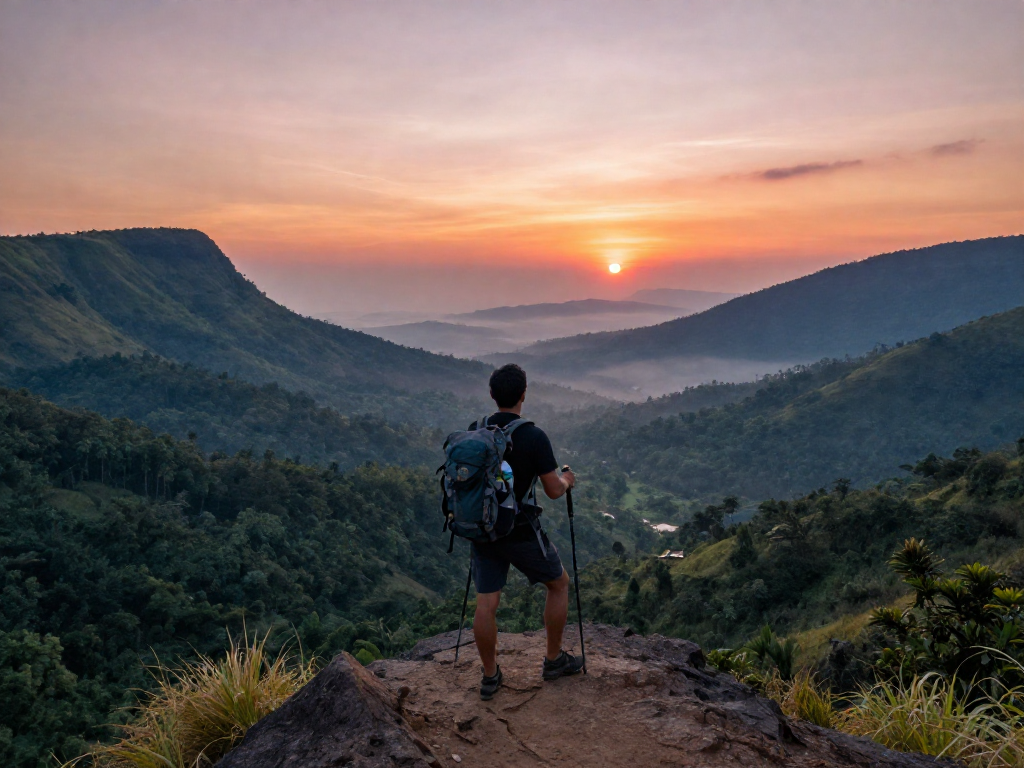
Nestled within the verdant embrace of Karnataka's Kudremukh forest range lies the Netravati Trek, a breathtaking adventure that promises both tranquility and thrilling vistas. Unlike its more tourist-trodden counterparts like Kumara Parvatha or Tadiandamol, Netravati stands as a serene alternative, offering intrepid travelers an opportunity to connect with nature in a less crowded environment. Here, you will embark on a journey through lush shola forests and expansive grasslands, culminating in a stunning 360° view from the summit, an experience that can only be attributed to the beauty of the Western Ghats. For those considering this trek, netravati trek is a perfect choice, blending adventure with peace amidst nature.
1.1 Overview of the Netravati Trek Experience
The Netravati Trek spans approximately 12-14 km round trip, taking you through diverse ecosystems that showcase the richness of the Western Ghats. As you set out from base camp, the first leg of your journey involves a gentle walk through bamboo groves that gradually ascends into a dense canopy, where the sounds of nature come alive. The solitude envelops you, broken only by the call of birds and the rustle of leaves, creating an intimate connection between the trail and the traveler. The ascent becomes steeper as you progress, challenging you just enough to keep the spirit of adventure alive.
1.2 Reasons to Choose Netravati Over Other Treks
Choosing the Netravati Trek over more frequented paths offers several advantages. First and foremost is the tranquility—without the large crowds found on other trekking routes, you can enjoy a peaceful camaraderie with fellow trekkers, nature, and the exhilarating solitude. Furthermore, the trek is characterized by varied landscapes—shola forests rich in biodiversity, rolling grasslands that provide sweeping views, and a challenging yet manageable ascent, all contributing to a rewarding trekking experience that is more about connection than competition.
1.3 Best Times to Visit for an Unforgettable Trekking Experience
To truly appreciate the Netravati Trek, timing your visit is crucial. The ideal window for trekking runs from October to February, when the weather is cool, offering a comfortable range of 8°C to 18°C. This season not only enhances visibility but also provides the safest conditions for all trekkers. Monsoon season, from June to September, reshapes the landscape into a lush green paradise, but it also introduces challenges like slippery trails and the presence of leeches, recommended only for the more experienced adventurers. Lastly, the summer months are warm and dry, making them less favorable due to low water sources and less scenic views.
2. Netravati Trek Itinerary: What to Expect
2.1 Day 1: Departure from Bangalore and Trailhead Arrival
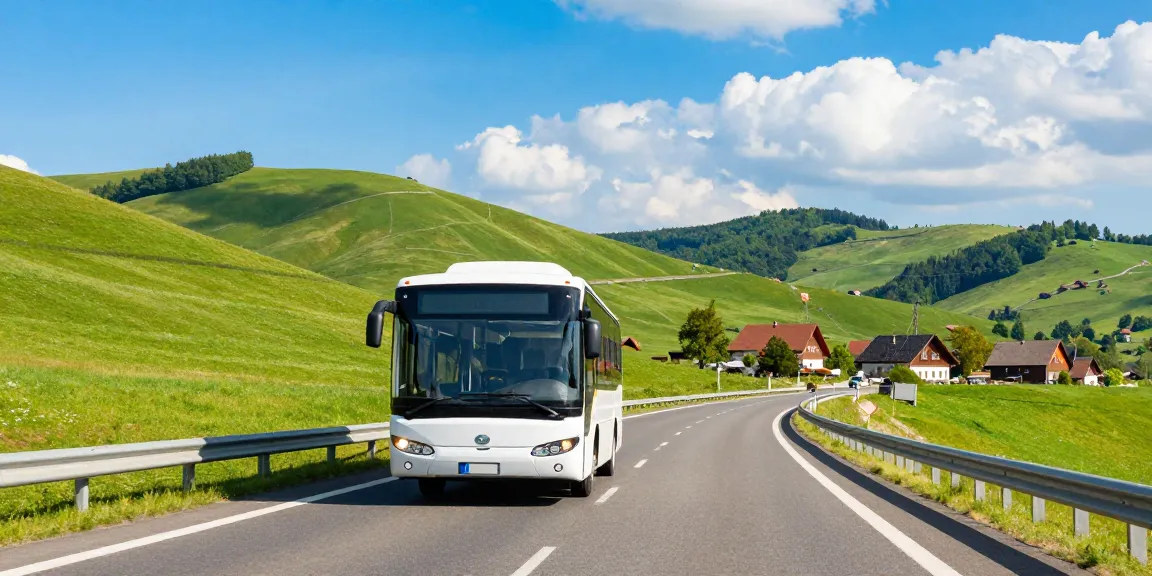
Your unforgettable adventure begins with an overnight journey from Bangalore. Departure points at Indiranagar, Silk Board, and Yeshwantpur gather a group of eager trekkers for a brief introduction before setting off to the Kudremukh forest range. The drive through the Hassan-Sakleshpur route is filled with rural charm and picturesque landscapes, taking approximately 7 to 8 hours. Early morning arrival at the base camp allows for some time to freshen up and indulge in a hearty breakfast, fueling you for the trek ahead.
2.2 Day 2: Trekking to the Summit and Return
On the second day, the trek begins around 6:30 AM, setting you on a path that intersperses challenges with stunning natural beauty. The initial trail grants a scenic warm-up before transitioning into a steady climb through denser forests, where the air is crisp and invigorating. Around mid-morning, as the first sight of the rolling grasslands appears, the landscape starts to unveil itself with valleys sprawling beneath you. A final push leads to the rocky and steepest section of the trail, rewarding your effort with panoramic views that stretch across the Ghats. Following your descent back to base, enjoy a filling lunch and leisure time around a rustic campfire before resting for the night at a homestay or tented camp.
2.3 Post-Trek Exploration: Nearby Attractions to Discover
Post-trek, the exploration doesn't have to stop. A popular option is to visit the exquisite Beluru Chennakeshava Temple, famous for its outstanding Hoysala architecture, just a short drive from the trek site. Alternatively, consider a visit to the Samse Tea Estate, where you can stroll through lush tea gardens and enjoy stunning views while learning about tea production. The area is rich in biodiversity and cultural experiences that further enhance your adventure.
3. Essential Packing Guide for the Netravati Trek
3.1 What to Bring for a Safe and Comfortable Experience
Packing wisely can make or break your trekking experience. Essentials include sturdy trekking shoes with good grip, breathable clothing suited for variable weather, a waterproof jacket, and a comfortable backpack to carry your snacks, meals, and personal items. Additionally, a refillable water bottle is crucial to keep hydrated.
3.2 Recommended Gear and Supplies for Trekking Enthusiasts
For an optimal trekking experience, consider investing in trekking poles for added balance and support, especially on steep and rocky trails. A portable first-aid kit is also prudent for minor injuries, while items like a flashlight, a multi-tool, and a power bank for your devices can enhance your preparedness for unexpected situations. Don’t forget the importance of sun protection: sunglasses, sunscreen, and a hat will shield you from UV rays.
3.3 Seasonal Packing Tips for Different Weather Conditions
The distinct seasons bring varied experiences; thus, your packing should cater to the anticipated weather. In the winter months, layering is key—pack thermals and sufficient outerwear to combat the chill. During monsoon, waterproof gear and quick-dry materials become your best allies. Conversely, during the hot summer months, focus on lightweight, loose-fitting clothing and ensure you have adequate hydration solutions to battle heat fatigue.
4. Safety Tips and Regulations for Netravati Trekking
4.1 Understanding Permit Requirements and Regulations
A key aspect of the Netravati Trek is the mandatory permit required for access to the forest reserve. This can be arranged beforehand as part of your trekking package, saving you the stress of last-minute arrangements. Ensure you carry a valid photo ID as it will be required to validate your permit. Keeping updated with local regulations concerning trekking safety is highly advisable.
4.2 Navigating Trail Safety: Avoiding Common Risks
While the Netravati Trek features well-marked trails, unexpected elements such as wildlife encounters and weather changes warrant caution. Staying with your trekking group and guiding your way through with a knowledgeable guide can greatly reduce risk. Be watchful on slippery sections and familiarize yourself with your surroundings to navigate safely.
4.3 Tips for Responsible Trekking: Leave No Trace
Participating in responsible trekking enhances the experience not just for yourself, but also for those who come after you. The principles of “Leave No Trace” are vital—carry out any waste you generate, respect wildlife, and stick to marked trails to minimize impact on the delicate ecosystems around you.
5. Frequently Asked Questions About Netravati Trek
5.1 Is Netravati Trek Suitable for Beginners?
The Netravati Trek is rated as moderate, making it suitable for individuals new to trekking, provided they maintain a basic level of fitness. The climb does become steeper toward the summit, but with determination and pacing, even beginners can complete the trek successfully.
5.2 What Wildlife Can Be Found Along the Netravati Trek?
The trek is set in a biodiverse region, home to a variety of wildlife, including deer, wild boar, and even the occasional sighting of leopards. While these creatures are generally elusive and avoid human contact, encountering their tracks and sounds enrich your understanding of this vibrant ecosystem.
5.3 How to Prepare Physically for the Trek
To maximize your trekking experience, it's advisable to engage in regular physical fitness before undertaking the trek. Activities such as hiking, jogging, or even climbing stairs can build endurance and strength, preparing your body for the challenges of the trail. This preparation can significantly enhance your enjoyment and ability to navigate the steeper sections of the journey.