
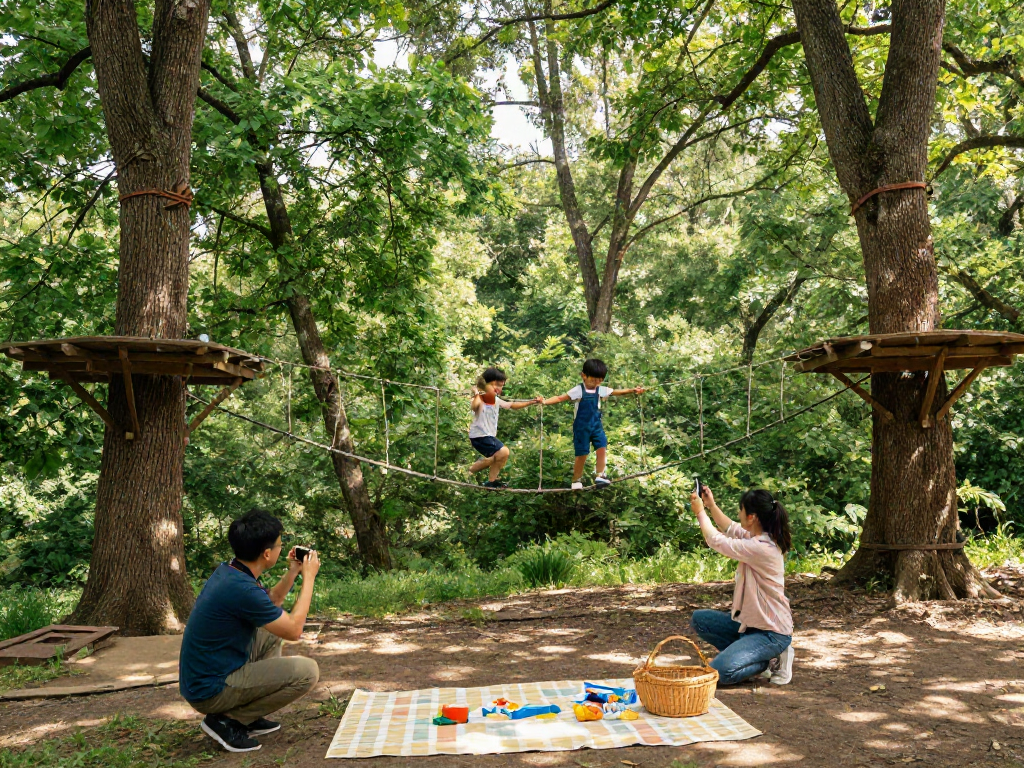
Understanding the Basics of Rope Bridges
Rope bridges have captivated adventurers for centuries, serving as a means of crossing challenging terrains while fostering a spirit of exploration and creativity. These unique structures can vary significantly in design and complexity, appealing to a wide range of audiences, from outdoor enthusiasts to children in playgrounds. When exploring options, Rope Bridge resources can offer comprehensive insights into the styles and functionality of these bridges.
What is a Rope Bridge?
A rope bridge is a flexible suspension bridge constructed primarily using ropes, cables, and other lightweight materials. Traditionally, these bridges were made using natural fibres, such as coconut or sisal, but modern variations often incorporate synthetic materials for enhanced durability and safety. Rope bridges can vary from simple designs, which may only consist of a single rope for hand-holding, to complex structures capable of supporting multiple loads.
Key Components of Rope Bridges
The fundamental components of rope bridges include:
- Ropes: The primary structural element, providing the necessary tensile strength.
- Anchors: Secure points at either end of the bridge that hold the ropes in place.
- Decking: The platform or walkway on which pedestrians or equipment can traverse.
- Support Structures: These can include additional ropes or cables for stability, especially in longer spans.
Types: From Simple to Complex Designs
Rope bridges can be categorised into various designs:
- Single Rope Bridges: Typically used in training and adventure courses, these require participants to balance while walking across a single rope.
- Double Rope Bridges: Featuring two parallel ropes, they offer more stability and are suitable for heavier loads.
- Truss Rope Bridges: These incorporate a truss structure to distribute weight evenly, enhancing support for larger groups.
- Suspension Rope Bridges: Ideal for spanning wide gaps, these bridges utilize cables to balance load and tension.
Building Your Own Rope Bridge: A Step-by-Step Guide
Constructing a rope bridge can be a rewarding project, whether for a backyard adventure, a camping trip, or educational purposes. Below are the essential steps for building your own rope bridge safely.
Essential Tools and Materials Needed
Before starting, gather the necessary materials and tools, including:
- Strong ropes or cables
- Wooden planks for decking
- Tree anchors or secure ground anchors
- Carabiners or securing devices
- A saw and other woodworking tools
- A tape measure and level for accuracy
Step-by-Step Construction Process
Follow these steps to build your rope bridge:
- Select a Location: Choose a sturdy pair of anchor points, such as trees or rock formations, ensuring they are at a safe distance apart.
- Measure and Cut Ropes: Cut ropes to the desired length, accounting for sag and tension.
- Secure the Anchors: Attach your ropes using carabiners or knots at both anchor points.
- Build the Deck: Lay wooden planks across the ropes, securing them to ensure stability. Use screws or nails for fastening.
- Test the Structure: Before use, conduct a weight test to ensure the bridge can support the intended loads.
Safety Considerations for Families
Safety should always be a priority when building and using a rope bridge. Consider the following guidelines:
- Ensure that the bridge is only used by individuals who know how to navigate it safely.
- Always supervise children while they are using the bridge.
- Regularly inspect the bridge for wear, especially after heavy use or adverse weather conditions.
- Implement safety features, such as harnesses or safety nets, especially for higher bridges.
Benefits of Rope Bridges in Outdoor Activities
Rope bridges are not just fun; they offer numerous benefits for physical, mental, and social development.
Encouraging Physical Activity and Fitness
Utilising a rope bridge can promote physical fitness, helping participants to develop strength, balance, and coordination. The act of traversing a rope bridge engages various muscle groups and enhances cardiovascular health, making it an excellent workout while blending exercise with play.
Cognitive Development Through Nature Play
Outdoor activities involving rope bridges stimulate cognitive growth by challenging problem-solving skills and encouraging creative thinking. Students and families can engage in team-building exercises that require planning, strategising, and cooperation.
Fostering Connections and Family Bonding
Building and using a rope bridge encourages social interaction among participants. Families can forge stronger bonds through shared experiences, promoting communication and collaboration.
Common Challenges in Designing Rope Bridges
While constructing a rope bridge can be an exciting endeavour, several challenges may arise. Here are common concerns and considerations to keep in mind.
Addressing Structural Stability Concerns
One of the most prominent challenges is ensuring the structural stability of the bridge. Ropes may stretch over time, and weather conditions can impact the durability of materials. Regular inspection and maintenance are crucial for staying safe.
Choosing the Right Location for Your Bridge
The location plays a critical role in the bridge's effectiveness. Considerations should include the terrain, clearance from obstacles, and environmental factors like wind and rain that could compromise safety.
Overcoming Environmental Obstacles
Building a bridge may require navigating around natural obstacles such as branches, uneven terrain, or varying soil conditions. These factors can complicate the construction process but can often be mitigated with thoughtful planning.
Future Trends in Rope Bridge Design for 2026 and Beyond
As technology evolves, so too will the methods for building and experiencing rope bridges. Here are some projected trends for the near future.
Innovative Materials and Construction Techniques
The use of lightweight, durable materials will increase, allowing for more complex and stable designs. Advances in synthetic ropes and materials that mitigate wear and tear will provide safer options for builders.
Incorporating Technology in Outdoor Play
Future designs may involve integrating technology, such as augmented reality to enhance user experiences or sensors to monitor structural integrity in real-time.
Designing Sustainable and Eco-Friendly Structures
As environmental awareness increases, sustainable practices will shape how rope bridges are constructed. Utilising recycled materials and choosing eco-friendly designs will be a priority for environmentally conscious builders.
What materials are best for a rope bridge?
Ideal materials include high-strength synthetic ropes, such as polyester or nylon, which are resistant to UV light and moisture, ensuring a long lifespan.
How do you secure a rope bridge?
Secure your rope bridge using knots or carabiners at anchor points, ensuring a tight fit to prevent slippage during use.
What age is suitable for kids to use a rope bridge?
Typically, children aged six and older can safely use a rope bridge, provided they are supervised and understand safety protocols.
Can a rope bridge support adults?
Yes, depending on the design and materials used, many rope bridges can safely support adults, especially if constructed with stability and weight distribution in mind.
Where can I find inspiration for rope bridge designs?
Inspiration can be found in resources dedicated to outdoor activities and playground design, as well as through community projects focused on environmental engagement.