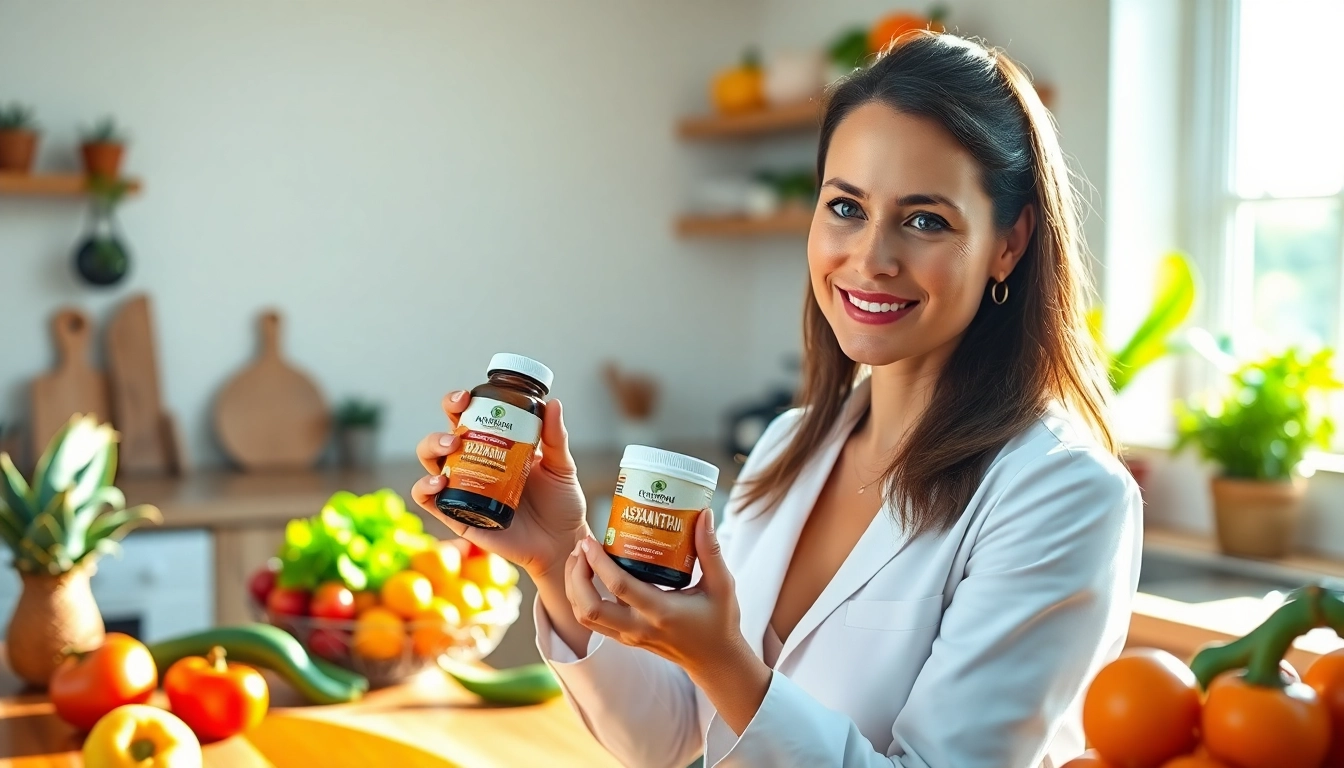
The Importance of Astaxanthin in Your Diet
What is Astaxanthin?
Astaxanthin is a powerful antioxidant belonging to the carotenoid family, predominantly found in marine organisms such as microalgae, salmon, krill, and shrimp. Its vibrant red-orange color not only serves a biological purpose in protecting these organisms from the sun’s harmful UV rays but also contributes significantly to various health benefits in humans. Astaxanthin has gained attention for its potential to enhance skin health, support eye health, and improve exercise performance. Understanding its role in our diet and optimizing its intake is crucial for maximized health benefits, particularly when determining the best astaxanthin dosage.
Health Benefits of Astaxanthin
Astaxanthin's wide array of health benefits is supported by a growing body of research. Its antioxidant properties exceed those of many other antioxidants, including vitamin C and vitamin E. This means it can combat oxidative stress more effectively, which is crucial for preventing various chronic diseases. Some of the notable health benefits include:
- Eye Health: Astaxanthin aids in protecting the retina and can potentially reduce the risk of age-related macular degeneration.
- Skin Health: Known for enhancing skin elasticity, reducing wrinkles, and combating UV damage, astaxanthin is often referred to as a natural way to maintain youthful skin.
- Exercise Performance: Studies suggest that astaxanthin may improve endurance and muscle recovery by reducing lactic acid accumulation after strenuous exercise.
- Immune Support: It can enhance the immune response by supporting various immune cell functions.
Sources of Astaxanthin in Food
Natural sources of astaxanthin are primarily found in the aquatic food chain, as well as specific types of algae. Here are some food sources where you can find astaxanthin:
- Microalgae: Haematococcus pluvialis is the richest known source, often used in supplements.
- Seafood: Salmon, trout, lobster, crabs, and shrimp are excellent food sources that provide astaxanthin along with beneficial omega-3 fatty acids.
- Fish Oil Supplements: Some fish oil products are enriched with astaxanthin, enhancing their health benefits.
Determining the Best Astaxanthin Dosage
Recommended Daily Dosage for Adults
Understanding the best astaxanthin dosage is vital for achieving optimal health benefits. Most studies suggest a daily dosage range of 4 to 12 mg for general health. Within this range:
- Low Dose: 4 mg may support general wellbeing, ideal for those who are consuming astaxanthin-rich foods.
- Moderate Dose: 8–12 mg can be effective for individuals looking to specifically target skin health, eye health, or athletic performance.
Dosage Guidelines for Specific Health Conditions
Specific health conditions may warrant increased dosages of astaxanthin:
- Eye Disorders: For age-related macular degeneration or other eye-related conditions, dosages up to 12 mg daily may be beneficial.
- Chronic Inflammation: For those suffering from chronic inflammatory conditions, higher doses (10–12 mg) may provide significant relief.
- Skin Health: Studies indicate that 6 mg taken daily can enhance skin health and improve elasticity.
Potential Side Effects of Excessive Dosage
While astaxanthin is generally well-tolerated, excessive intake can lead to side effects such as:
- Temporary orange coloration of the skin, known as carotenodermia.
- Stomach upset or mild gastrointestinal discomfort.
- Potential interactions with blood-thinning medications, so those on such treatments should consult a healthcare provider.
Factors Influencing Astaxanthin Absorption
Dietary Fats and Their Role
Astaxanthin is a fat-soluble carotenoid, meaning its absorption is significantly boosted by dietary fats. Consuming astaxanthin with some healthy fats (like those from avocados, nuts, or olive oil) can enhance its bioavailability, allowing for greater health benefits. Studies indicate that incorporating dietary fats can improve astaxanthin absorption by up to 17 times.
Timing of Dosage for Better Absorption
The timing of astaxanthin intake also influences its effectiveness. Taking astaxanthin with meals, particularly meals containing healthy fats, can maximize absorption. Consuming astaxanthin during breakfast or lunch can be beneficial, as it provides sustained availability throughout the day when combined with the right dietary fats.
Interactions with Other Supplements
While astaxanthin is compatible with most supplements, particular attention should be given when combined with other antioxidants to avoid potential imbalances. Consulting with a healthcare provider can help tailor a supplementation plan that maximizes the benefits of astaxanthin while minimizing any adverse effects from interactions.
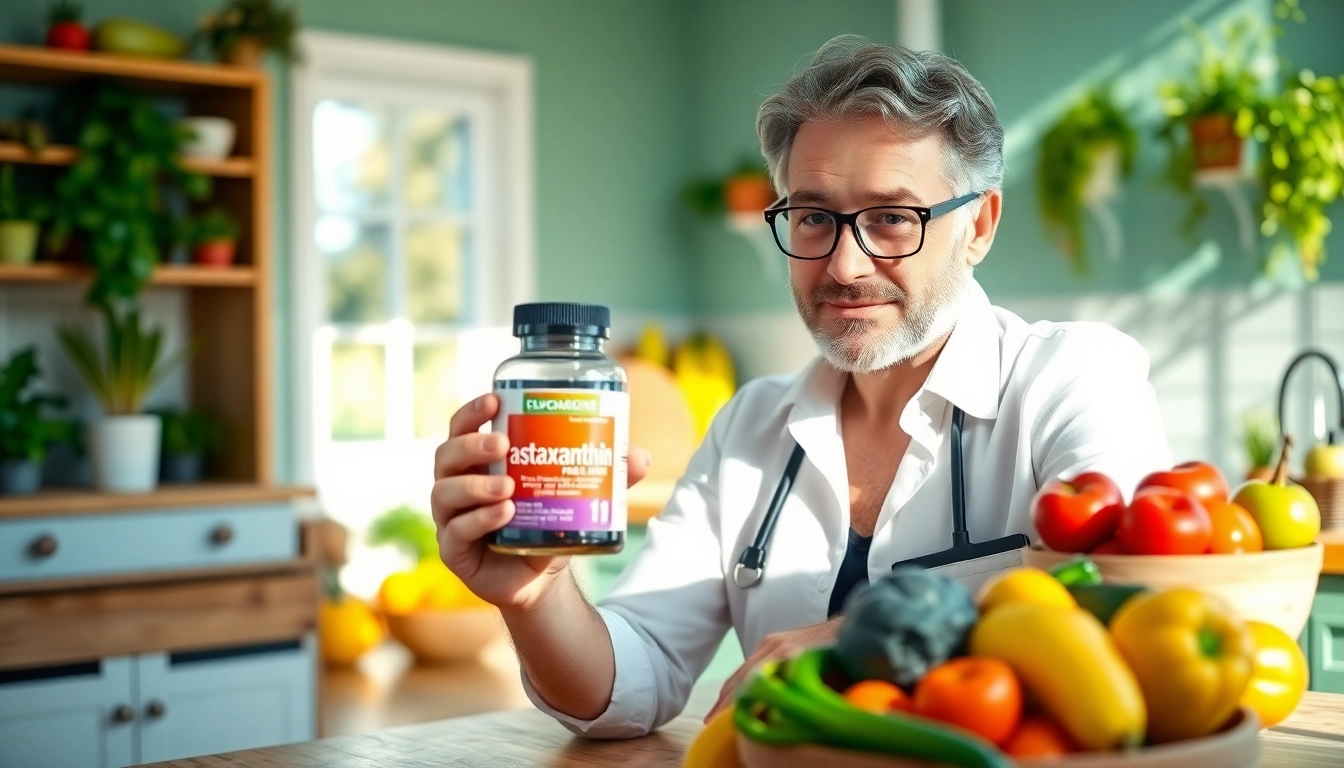
Practical Tips for Incorporating Astaxanthin
Choosing the Right Astaxanthin Supplement
Opting for a high-quality astaxanthin supplement is crucial. Here are tips to choose the right one:
- Look for supplements derived from Haematococcus pluvialis, as it is the most potent source of astaxanthin.
- Choose products that specify the dosage of astaxanthin per serving on the label.
- Select reputable brands that provide third-party testing for quality assurance.
Combining Astaxanthin with Other Nutrients
For enhanced effects, consider combining astaxanthin with other vitamins and nutrients, such as:
- Omega-3 Fatty Acids: These work synergistically with astaxanthin for improved cardiovascular health.
- Vitamin E: Another potent antioxidant that can boost overall protective effects against oxidative stress.
Creating a Daily Routine for Consistency
Incorporating astaxanthin into your daily routine can be as simple as setting a specific time for consumption. Consistency is key for experiencing the long-term benefits. Consider placing the supplement with your other daily vitamins or creating a dedicated schedule if you’re taking it alongside meals.
Monitoring and Adjusting Your Astaxanthin Intake
Signs You May Need Adjustments
Being attuned to your body's responses can inform whether your astaxanthin intake is optimal. Some signs to watch for include:
- Changes in skin health, such as improved elasticity or enhanced hydration.
- Changes in exercise performance or recovery time.
- Any gastrointestinal discomfort that may indicate a need for dosage adjustment.
How to Track Your Astaxanthin Usage
Keeping a log of your astaxanthin intake, along with any observed benefits or side effects, can be beneficial. Using apps or a simple journal can allow you to document your dose, the timing of intake, and any changes in health over weeks or months to guide future decisions.
Consulting with Health Professionals
Before making any significant changes to your astaxanthin intake, consulting with a healthcare professional is advisable, particularly if you have pre-existing health conditions or are on medication. They can help establish a regimen that suits your individual health needs and ensure you experience the best outcomes.
FAQs about Astaxanthin Dosage
1. What is the average dosage of astaxanthin recommended for general health?
The average recommended dosage for general health ranges from 4 to 12 mg per day, depending on individual health goals.
2. Can astaxanthin interact with other medications?
Astaxanthin may interact with blood-thinning medications. Always consult with a healthcare professional before combining it with other supplements or medications.
3. Are there any side effects associated with astaxanthin?
While generally safe, excessive astaxanthin intake can cause skin discoloration or mild digestive upset. Seeking professional advice is recommended for high doses.
4. How can I improve the absorption of astaxanthin?
Taking astaxanthin with dietary fats can significantly enhance its absorption. Consuming it with meals that contain healthy fats is ideal.
5. Is astaxanthin suitable for everyone?
While astaxanthin is safe for most, those with specific health conditions or on certain medications should consult a healthcare professional before starting supplementation.