Understanding Beyin Tümörü Ameliyatı
Beyin tümörü ameliyatı, patients facing the daunting challenge of brain tumors often find themselves navigating a complex web of medical terminology, procedural options, and recovery pathways. With various types of brain tumors, including meningiomas and glial tumors, the surgical approach can significantly impact both prognosis and quality of life. This comprehensive guide not only demystifies the surgical process but also underscores the importance of informed decision-making for those affected by these medical conditions. By exploring in-depth insights into methods and outcomes, we aim to arm you with essential knowledge about beyin tümörü ameliyatı and its implications for treatment.
What is a Brain Tumor Surgery?
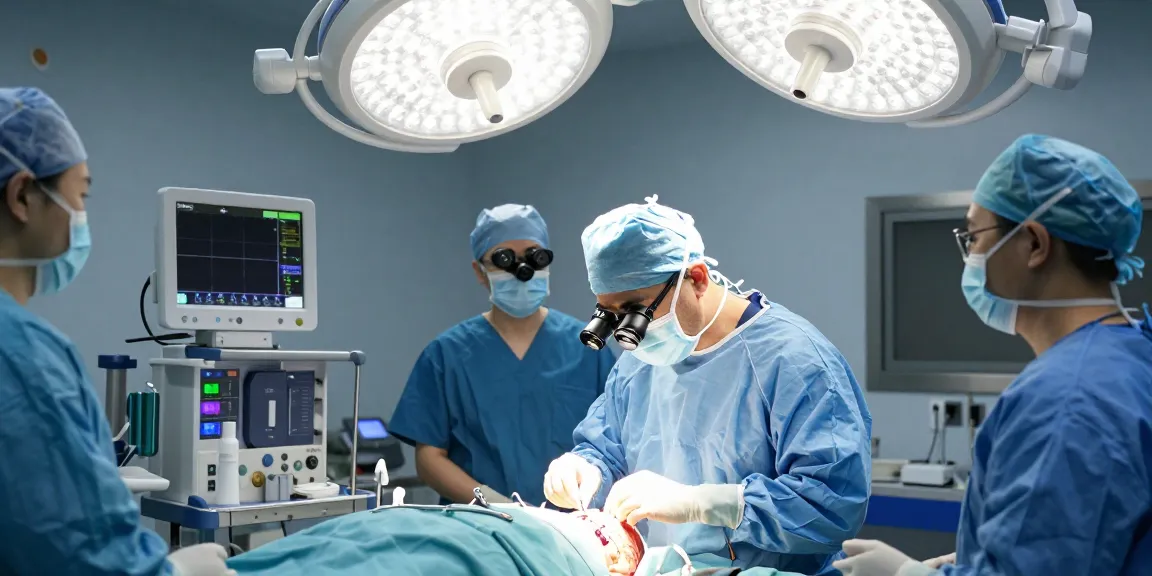
Brain tumor surgery is a medical procedure aimed at removing the tumor from the brain. This can be categorized into different types based on the tumor's location, type, and aggressiveness. The primary objectives of brain surgery include alleviating symptoms caused by the tumor, preventing further complications, and achieving the best possible outcome in terms of recovery. Surgical techniques have evolved considerably, allowing for more precise and less invasive procedures, leading to better survival rates and quality of life post-surgery.
Types of Brain Tumors and Their Impact
Brain tumors can be classified into benign (non-cancerous) and malignant (cancerous) types. Benign tumors, such as meningiomas, generally grow slowly and can often be completely removed surgically with minimal risk. Malignant tumors, on the other hand, include various forms of glial tumors, such as glioblastomas, which are more aggressive and require a comprehensive treatment approach post-surgery. Understanding the specific type of brain tumor is crucial for determining the most effective treatment plan and overall prognosis.
Evolution of Surgical Techniques in 2026
With advances in technology and surgical techniques, brain tumor surgeries have become increasingly sophisticated. Techniques such as minimally invasive surgery, neuronavigation, and awake craniotomy have transformed traditional approaches, allowing for more accurate tumor removal while preserving critical brain functions. These advancements not only improve surgical outcomes but also enhance the patient's recovery experience.
Preoperative Procedures and Considerations
Preparing for brain surgery involves several steps that encompass diagnosis, preoperative assessment, and risk evaluation. Each phase is essential for ensuring patient safety and optimizing surgical outcomes.
Diagnosis and Initial Assessment
The diagnosis of a brain tumor typically begins with imaging studies, such as MRI or CT scans, which provide detailed pictures of the brain. Neurological examinations are also conducted to assess the patient’s sensory and motor functions, guiding the healthcare team in understanding the tumor’s effects on brain activity. Understanding the tumor's size and location is crucial for devising the surgical plan.
Preparing Patients for Surgery
Before surgery, patients undergo a comprehensive evaluation to assess their overall health, the potential risks associated with the procedure, and necessary preoperative preparations. This may include imaging studies, blood tests, and discussions regarding anesthesia options. Patients are also advised about the need for possible hospitalization before the procedure and may receive corticosteroids to reduce any swelling in the brain.
Understanding the Risks Involved
Every surgical procedure carries inherent risks. For brain surgery, these can include infection, bleeding, and neurological complications such as speech or movement difficulties. Understanding these risks allows patients and their families to prepare psychologically and make informed decisions regarding their treatment options.
The Surgical Process: Step-by-Step
The actual surgical procedure for brain tumors generally involves several critical phases designed to ensure the best possible outcome while minimizing risks.
A Closer Look at Meningioma Surgery
Surgery for meningiomas typically involves making an incision in the scalp and removing a section of the skull to access the tumor. Once located, the tumor is carefully excised using advanced microsurgical techniques to preserve surrounding brain tissue. The goal is not only to remove the tumor completely but also to minimize the risk of recurrence.
Glial Tumor Surgery Techniques
Glial tumors, particularly aggressive types like glioblastomas, require more complex surgical approaches. Techniques include maximizing tumor resection while preserving critical brain functions, guided by advanced imaging and monitoring technologies. The surgical team may utilize tools like intraoperative MRI and fluorescein-guided resection to enhance the precision of the surgical excision.
The Role of Awake Brain Surgery
Awake brain surgery is a specialized technique used when the tumor is located near critical functional areas of the brain that control speech and movement. During the procedure, the patient is kept awake and can respond to commands, allowing the surgeon to map brain functions and avoid damaging vital areas while resecting the tumor.
Postoperative Care and Recovery
Post-surgical care is equally important as the surgery itself, impacting the patient's recovery trajectory and overall outcome. Monitoring and follow-up play a significant role in ensuring complications are managed effectively.
Immediate Care After Beyin Tümörü Ameliyatı
After the surgery, patients are typically moved to a recovery area for close monitoring, assessing vital signs, neurological status, and pain management. It’s crucial to watch for signs of complications such as bleeding or increased intracranial pressure. Regular imaging may be conducted to evaluate the outcome of the surgery and ensure that the tumor has been adequately addressed.
Follow-Up Procedures and Monitoring
Postoperative follow-up involves regular check-ups and imaging studies to monitor the patient’s recovery and detect any potential recurrence of the tumor. Depending on the type of tumor, additional treatments such as radiation therapy or chemotherapy may be recommended as part of a multidimensional treatment plan.
Long-Term Recovery and Quality of Life
Long-term recovery can vary greatly among patients, influenced by the tumor type, treatment modalities, and individual health factors. Many patients require rehabilitation services to regain lost functions and adapt to any new challenges they may face. Support groups and counseling may also be beneficial in helping patients navigate emotional and psychological challenges that arise post-surgery.
Future Trends in Brain Tumor Surgery
The field of brain tumor surgery is continuously evolving, with innovative techniques and technologies paving the way for enhanced patient care and outcomes.
Technological Advancements and Innovations
Emerging technologies like artificial intelligence and machine learning are beginning to play a role in surgical planning and intraoperative decision-making. Furthermore, advancements in precision medicine may lead to more personalized treatment options based on the genetic makeup of the tumor, improving efficacy and reducing side effects.
Predicting Outcomes: What Lies Ahead?
Future research is focused on developing better predictive models to assess the likelihood of recovery, tumor recurrence, and response to different treatment modalities. By leveraging big data and patient registries, healthcare providers can refine treatment protocols, ultimately aiming to enhance survival rates and quality of life for patients.
Expert Insights on Emerging Practices
Leading neurosurgeons and oncologists continue to share insights on best practices for managing brain tumors, emphasizing a collaborative, multidisciplinary approach to treatment. This includes not only surgical intervention but also supportive care and psychological services to address the holistic needs of patients and their families.
What Are Common Risks of Brain Surgery?
As previously mentioned, brain surgeries can involve risks like infection, bleeding, and neurological deficits. Awareness of these risks helps patients to be more prepared and engage in discussions with their healthcare teams about what to expect.
How Long Does Recovery Take After Surgery?
The recovery period after brain surgery can vary widely from a few weeks to several months, depending on the patient’s health, type of surgery performed, and the tumor's characteristics.
What to Expect During Follow-Up Appointments?
During follow-up appointments, patients can expect thorough evaluations, including neurological assessments and imaging studies to monitor for any signs of tumor recurrence and assess overall recovery.
Are There Alternatives to Surgery?
While surgery is often the primary treatment for brain tumors, alternatives may include radiation and chemotherapy, particularly for inoperable tumors or patients with significant comorbidities. The decision should be made collaboratively between the patient and their healthcare providers.
How to Prepare for a Brain Tumor Diagnosis?
Preparing for a brain tumor diagnosis involves understanding the implications of the diagnosis, discussing treatment options with specialists, and accessing support systems to cope with the emotional and psychological burden of the condition.. Additionally, beyin tümörü ameliyatı provides further details.