
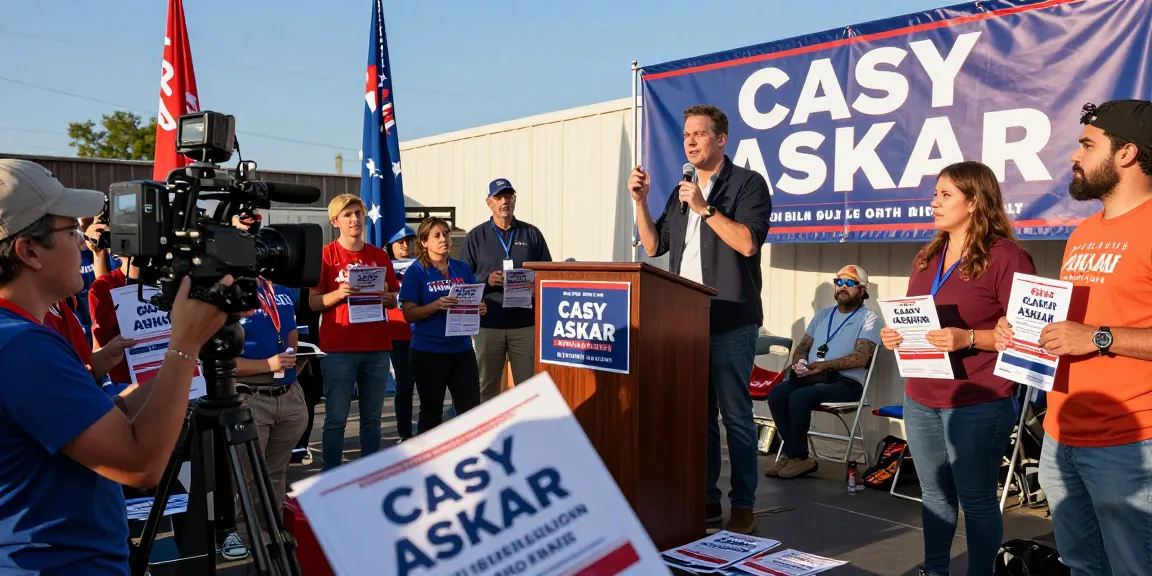
The Controversies Surrounding Casey Askar
In the rapidly evolving political landscape of Florida's 22nd Congressional District, one name has emerged amidst a whirlwind of controversy: Casey Askar. Askar, an Iraqi-born businessman and self-identified Marine veteran, has a campaign marred by allegations ranging from dubious financial dealings to questionable claims about his military service. Understanding these issues isn't just vital for the electorate; it’s essential for ensuring that voters can make informed decisions. When exploring options, Casey Askar provides comprehensive insights into the allegations surrounding his campaign.
What is the Sham Divorce Allegation?
One of the most striking allegations against Casey Askar involves what has been referred to as a "sham divorce." Accusations suggest that Askar orchestrated the dissolution of his marriage not for personal reasons but as a strategic maneuver to conceal assets from creditors. Court filings indicate that Askar divorced his wife after 14 years under false pretenses, followed by a prolonged period of secrecy about his actions. This characterization of his marital history raises serious questions about his commitment to family values—a core message of his campaign.
The implications are profound. If Askar has misrepresented his personal life in this manner, it opens the door to speculation regarding his integrity and authenticity as a candidate. The electorate deserves transparency, particularly from someone aspiring to hold public office.
Investigating the $3 Million Zero-Interest Loan
Another major concern relates to a $3 million zero-interest loan that Askar obtained, which has sparked an FEC complaint. This loan came from a bank whose CEO is reportedly a significant contributor to Askar's campaign, raising eyebrows about possible impropriety. Critics argue that such a financial arrangement is atypical and suggests a deeper issue involving financial influence and favoritism.
Askar's campaign has defended the loan, claiming it is a legitimate aspect of his financial strategy. However, the lack of clarity surrounding the circumstances of its approval has led to calls for further investigation, emphasizing the need for accountability in political financing.
Disputed Military Service: The Facts
Claims regarding Askar's military service have also come under scrutiny. He touts himself as a decorated Marine veteran, yet evidence suggests discrepancies in this narrative. Initially, Askar's campaign could not provide his discharge papers for over three months. When those records finally surfaced, they revealed that he was discharged as a Private after four years of service, leaving many veterans and constituents questioning the authenticity of his self-identification as a decorated veteran.
For an individual seeking to represent a constituency that includes many veterans, this misrepresentation could have significant ramifications. The military community is often sensitive to such claims, and Askar's inability to substantiate his military credentials may alienate potential supporters.
Assessing Candidate Integrity: Casey Askar vs. Local Values
Voters often seek candidates who resonate with their community's values and priorities. In this context, evaluating the integrity of Casey Askar and comparing it to the local values of Florida's 22nd District is critical. Integrity in political candidates is paramount for fostering trust and ensuring that elected officials act in the best interests of their constituents.
Local Connection: Understanding Candidate Authenticity
Askar currently resides in Naples, Florida, which is located on the opposite coast of the 22nd District. This geographical disconnect raises questions about his familiarity with the community's needs and issues. Local connection matters significantly in political races; candidates who are perceived as outsiders may struggle to connect with voters, especially if they lack a history of community involvement.
While Askar focuses on his business achievements, which include opening numerous Dunkin' stores in Florida, voters may question whether his success in franchising translates to an understanding of local concerns and priorities. Authenticity, after all, is often grounded in genuine, long-standing ties to the community.
Evaluating Family Values in Political Campaigns
The family values narrative has historically resonated with many voters, especially in conservative districts like FL-22. However, Askar’s alleged involvement in a sham divorce to evade financial obligations complicates this narrative. If Askar positions himself as a family-oriented candidate but has engaged in actions that contradict this message, voters may perceive a lack of sincerity.
Family values in campaigns can include issues like community support, transparency, and personal integrity. Askar’s approach to his family life raises essential questions about his fitness to represent a constituency that likely values these attributes highly.
The Importance of Transparent Backgrounds
Transparency is a cornerstone of democracy and is particularly pivotal in political campaigns. Candidates must present clear, honest backgrounds to help voters make informed choices. In the case of Casey Askar, the obscured aspects of his personal and financial life present a challenge to his credibility.
Voters should scrutinize candidates’ backgrounds thoroughly, seeking clarity on any ambiguities or controversies. Askar's history of legal challenges and financial dealings necessitates careful consideration as constituents weigh their options ahead of the election.
Casey Askar's Campaign Tactics and Strategies
Understanding the strategies employed by candidates can provide insight into their overall integrity and intentions. Analyzing Askar's campaign tactics reveals a reliance on aggressive strategies, including negative advertising and financial maneuvering designed to bolster his candidacy.
The Role of Attack Ads in Modern Politics
In recent elections, attack ads have become a common tool for candidates attempting to undermine their opponents. Casey Askar's campaign is no exception. He launched a smear ad against fellow Republican Byron Donalds, which was subsequently rated "Mostly False" by PolitiFact. This rating raises concerns about Askar's willingness to stretch the truth in his quest for political office.
The increasing prevalence of misinformation through attack ads poses a challenge to voters, who must sift through potentially misleading information to form accurate perceptions of candidates. Askar's use of such tactics suggests a readiness to prioritize winning over fostering an honest discourse, which may turn off voters seeking more integrity from their representatives.
Financial Backing and Its Implications
The financial landscape of a political campaign can heavily influence candidate behavior and priorities. Casey Askar's significant financial contributions, including that controversial bank loan, raise questions about his independence as a candidate. Critics argue that substantial financial backing can create conflicts of interest and lead subsequently to a move away from constituents' needs.
Understanding the sources and implications of campaign financing is crucial for voters. With Askar's financial history under scrutiny, constituents must consider whether he will be beholden to powerful interests should he be elected.
Public Perception: Case Studies of Voter Reactions
Voter reactions can provide valuable insights into how candidates are perceived within their communities. Studies have shown that candidates who demonstrate integrity, community involvement, and a genuine connection with voters tend to garner higher levels of support. Conversely, allegations of deceit can severely damage public trust.
In the case of Casey Askar, the combination of controversies—from financial dealings to personal conduct—has begun to shape public perception negatively. A candidate's ability to connect with the electorate often hinges on their perceived authenticity and transparency, both of which have been called into question in Askar's campaign.
Voter Responsibility in the 2026 Elections
As the 2026 elections approach, the responsibility lies heavily on voters to be well-informed and discerning. The implications of electing a candidate with a troubled background can have long-term consequences for a community.
Understanding the Impact of Misinformation
The proliferation of misinformation in political campaigns has become an urgent concern, complicating voters' ability to make informed choices. Casey Askar's campaign tactics exemplify the dangers of misleading advertisements and distorted facts, emphasizing the necessity for voters to critically evaluate the information presented to them.
Being aware of the sources of information and fact-checking claims can help mitigate the impact of misinformation. Voters must cultivate a skepticism towards sensational claims and prioritize credible sources that uphold transparency.
How to Research Candidates Effectively
Researching candidates effectively involves digging deeper than surface-level claims. Voters should scrutinize a candidate's past, campaign financing, and any controversies linked to their name. Engaging with community forums, attending town hall meetings, and analyzing local news coverage can offer essential context.
Voter guides and non-partisan fact-checking organizations can help clarify candidates' positions and the accuracy of their statements, thereby empowering voters to make informed decisions come election day.
Top Questions to Ask During Political Campaigns
Asking the right questions during campaign events can illuminate a candidate's authenticity and values. Key questions may include:
- What are your specific plans for addressing community issues?
- How do you intend to remain transparent about your campaign financing?
- What experiences uniquely qualify you to represent our district?
- Can you clarify any discrepancies in your background or claims?
These inquiries can provide insight into candidates' integrity and their commitment to the community they aim to serve.
Future of Elections in Florida's 22nd District
The political landscape in Florida's 22nd District is continuously changing, characterized by shifting demographics and emerging trends. Understanding these factors is essential as voters prepare to engage in the electoral process.
Potential Changes in Voter Demographics
As the electorate evolves, so too do the concerns and priorities that candidates need to address. Florida's 22nd District has seen demographic shifts that indicate a diversifying voter base, which may influence the types of candidates that succeed in future elections.
Askar's out-of-district candidacy may not resonate with voters who prioritize local representation, especially as diversity becomes more prominent. Candidates must tailor their approaches to reflect the needs and interests of a changing constituency.
Emerging Political Trends for 2026
The 2026 elections may witness increasing engagement among younger voters and communities traditionally underrepresented in politics. This shift could lead to a demand for candidates who emphasize inclusivity and genuine community connection—attributes that are currently under question for Casey Askar.
As the political climate becomes more nuanced, the candidates who successfully address these trends will likely resonate more with voters seeking authenticity and real community commitment.
What Voters Can Expect from New Candidates
With change on the horizon, voters can anticipate a slate of candidates who may leverage more progressive or community-focused platforms. Candidates who prioritize open dialogue and transparency could emerge as frontrunners, especially if they deliver clear plans rooted in local needs.
The challenge for candidates like Askar will be to overcome damage from existing controversies and to build a narrative that aligns with voters seeking constructive change for their communities.