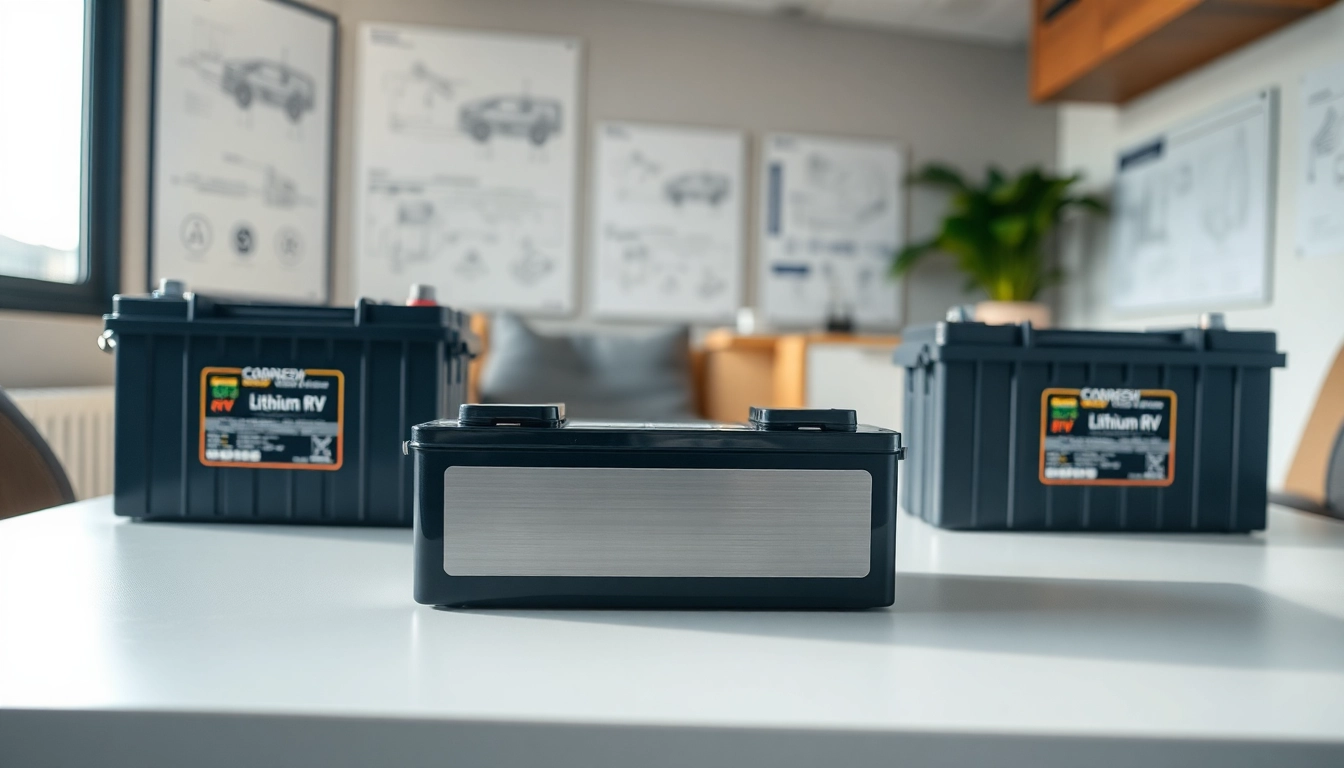
Understanding Lithium RV Batteries
What are Lithium RV Batteries?
Lithium RV batteries are a type of rechargeable battery commonly used in various recreational vehicles (RVs), campers, and motorhomes. Unlike traditional lead-acid batteries, these batteries utilize lithium iron phosphate (LiFePO4) chemistry, which offers enhanced performance, longevity, and efficiency. Lithium RV batteries are also known for their lightweight nature, high energy density, and low self-discharge rates, making them ideal for off-grid adventures where reliable power is essential. Their design allows them to handle deep cycling, which is typical in RV applications, without significant degradation.
Benefits of Lithium RV Batteries
There are several advantages to using Vatrer Power lithium RV batteries, making them increasingly popular among RV enthusiasts:
- Longer Lifespan: Lithium batteries can last up to 10 years or more, outpacing lead-acid batteries, which typically last about 3-5 years.
- Faster Charging: They charge faster than traditional batteries, allowing quicker turnaround times for getting back on the road.
- Higher Usable Capacity: Lithium RV batteries can discharge to a lower voltage without damaging the battery, offering more usable energy compared to lead-acid batteries.
- Lightweight: They are considerably lighter, which translates to improved fuel efficiency for your RV.
- Low Maintenance: Unlike lead-acid batteries, lithium batteries require minimal maintenance, such as topping off water levels.
How Lithium RV Batteries Work
Lithium RV batteries work through a process called electrochemical reactions, where lithium ions move between the positive and negative electrodes during charging and discharging. This efficient movement results in lower internal resistance, leading to reduced heat generation and increased efficiency. The built-in Battery Management System (BMS) further ensures optimal performance by regulating voltage, current, and temperature, providing safety mechanisms against overcharging and overheating.
Comparing Lithium RV Batteries to Traditional Options
Pros and Cons of Lead-Acid Batteries
Lead-acid batteries have been a staple in the RV industry for years, but they come with both advantages and disadvantages:
- Lower initial cost compared to lithium batteries.
- Readily available and easier to recycle.
- Shorter lifespan and higher maintenance needs.
- Heavier and bulkier, reducing overall RV payload capacity.
- Don't handle deep cycling well, leading to potential damage over time.
Long-Term Cost-Efficiency of Lithium RV Batteries
While 12V 300Ah Lithium Battery tend to have a higher upfront cost, the long-term savings are significant when considered in the lifecycle of the battery. Factors such as longer lifespan, lower maintenance costs, energy efficiency, and fewer replacements contribute to reducing the total cost of ownership. For frequent travelers and those who spend extended periods off-grid, lithium RV batteries offer an excellent investment.
Performance Metrics: Power vs. Weight
In comparing performance, lithium batteries excel in energy density, showcasing a higher amount of stored energy per weight unit than their lead-acid counterparts. This means that RV owners can achieve higher power outputs without increasing the weight, which is a critical factor for maintaining optimal fuel efficiency and convenience in travel. For instance, while a 100Ah lead-acid battery can weigh around 60-70 lbs, a lithium equivalent can weigh as little as 30 lbs, significantly improving the RV's payload capacity.
Choosing the Right Lithium RV Battery for Your Needs
Evaluating Battery Capacity and Size
When selecting a lithium RV battery, it is essential to assess your power needs. Battery capacity, measured in amp-hours (Ah), indicates how much power a battery can deliver over time. For a weekend trip, a 100Ah battery might suffice, but for longer journeys, you might need a 200Ah or 300Ah battery to support appliances like refrigerators and air conditioning. Additionally, consider the physical dimensions to ensure it fits well within your RV's battery compartment.
Factors Affecting Battery Selection
Several elements can impact your choice of lithium RV battery:
- Usage Requirements: Consider what appliances you will be using and their total wattage, helping determine the needed capacity.
- Climate and Temperature: Consider the environment where you'll be traveling, as temperature extremes can affect battery performance.
- Compatibility: Ensure the battery is compatible with your existing RV electrical systems.
Common Misconceptions about Lithium RV Batteries
Despite their advantages, some misconceptions regarding lithium RV batteries persist:
- Misconception: They are unsafe due to overheating.
- Fact: As long as they are quality products with a proper BMS, they are quite safe.
- Misconception: Lithium batteries are too expensive.
- Fact: Their longevity and efficiency often make them more cost-effective in the long run.
Proper Maintenance for Maximum Life of Lithium RV Batteries
Charging Best Practices
To maintain optimal performance, follow these charging practices:
- Always use a charger compatible with lithium batteries.
- Avoid letting the battery discharge below 20%, which can significantly shorten its lifespan.
- Utilize a smart charger that automatically adjusts charging rates based on the battery's condition.
Temperature Considerations and Effects
Extreme temperatures can adversely affect lithium battery performance. It’s best to store and operate these batteries within the recommended temperature range, typically between 32°F and 113°F. While some models can handle fluctuations, repeated exposure to extreme conditions can reduce the battery's lifespan and efficiency.
Troubleshooting Common Issues
If your lithium RV battery isn't performing as expected, check the following:
- Ensure all connections are clean and secure.
- Monitor battery voltage levels with a multimeter to identify charging issues.
- If the BMS is tripping frequently, investigate for any external issues, like overheating.
FAQs about Lithium RV Batteries
Are lithium batteries worth the investment for RVs?
Yes, for frequent RV users, they offer greater lifespan, efficiency, and lower long-term costs compared to lead-acid batteries.
How long can a lithium RV battery last on a trip?
A fully charged 100Ah lithium battery can last 2–3.5 days for small appliances, depending on power consumption and usage patterns.
Can lithium RV batteries be used in extreme weather?
While they generally perform well, it's essential to keep them within recommended temperature ranges to avoid damages.
What is the optimal charging level for lithium batteries?
For best performance, aim to keep lithium batteries charged between 20% to 80% during regular use.
How do I recycle or dispose of lithium RV batteries properly?
Contact local recycling centers or waste management services that accept lithium batteries to ensure safe and compliant disposal.