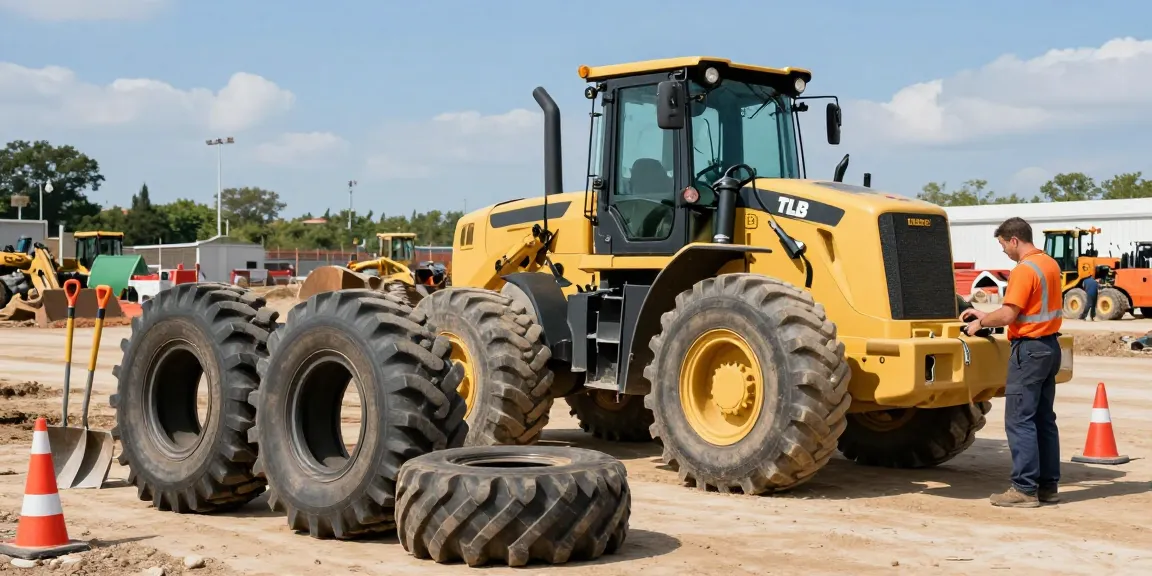
Understanding Construction Safety Training Colorado
Construction is a vital industry that contributes significantly to the economy, providing numerous job opportunities and infrastructure development. However, it also poses inherent risks, leading to workplace accidents and injuries. This underscores the crucial need for construction safety training colorado. This article delves into the essence of construction safety training, its importance, regulations in Colorado, and tools to enhance its effectiveness.
What is Construction Safety Training?
Construction safety training involves educating workers about the safety protocols, procedures, and policies essential in minimizing injuries on the job site. This training encompasses various aspects such as hazard recognition, personal protective equipment (PPE), fall protection, and the safe operation of machinery. The primary goal is to instill a safety-first mindset among workers, allowing them to identify and mitigate risks actively.
Importance of Safety Programs in Construction
Implementing comprehensive safety programs in construction is paramount for several reasons:
- Reduction of Accidents: Well-structured training programs significantly reduce the likelihood of accidents, thus saving lives and keeping workplaces safer.
- Compliance with Regulations: Following mandated safety training helps companies comply with OSHA (Occupational Safety and Health Administration) and local regulations, avoiding costly fines.
- Increased Productivity: A trained workforce is more productive; workers will likely follow protocols that enhance efficiency while maintaining safety.
- Moral Obligation: Employers have a responsibility to ensure the safety and well-being of their employees, which fosters a positive work environment.
Overview of Colorado's Regulations and Standards
In Colorado, safety standards are governed by the Colorado Department of Public Health and Environment in conjunction with OSHA. Key regulations include:
- General Duty Clause: Employers must provide a work environment free from recognized hazards.
- Specific Standards: Regulations that provide detailed requirements for various construction activities, including scaffolding, fall protection, and machinery operation.
- Record-Keeping: Employers must keep accurate records of all safety training conducted and incidents that occur on-site.
Compliance with these regulations not only avoids penalties but also creates a culture of safety within organizations.
Key Components of Effective Training Programs
Core Safety Topics Covered
The foundation of any effective construction safety training program comprises several core topics. These include:
- Personal Protective Equipment (PPE): Training on selecting and using appropriate PPE to mitigate risks.
- Hazard Communication: Understanding Material Safety Data Sheets (MSDS) and how to communicate hazards effectively.
- Fall Protection: Protocols for working at heights, including the use of harnesses and guardrails.
- First Aid and Emergency Response: Basic first aid procedures and emergency protocols in case of accidents.
- Equipment Operation: Safe handling, operation, and maintenance of machinery and tools.
Interactive Learning Techniques
To enhance engagement and retention, effective training programs employ interactive learning techniques, such as:
- Hands-On Training: Simulated exercises that allow workers to practice skills in a controlled environment.
- Group Discussions: Facilitating discussions on past incidents or potential hazards encourages critical thinking.
- Video Demonstrations: Utilizing visual aids helps illustrate safety practices and consequences of unsafe behaviors.
- Quizzes and Games: Gamifying training sessions can make learning enjoyable while reinforcing important safety principles.
Assessments and Certifications
After completing training, assessments are crucial in measuring understanding and retention. Certifications can provide the following benefits:
- Validation of Knowledge: Certificates demonstrate proven knowledge and skills related to construction safety.
- Enhancing Career Opportunities: Having certifications can open doors to better job prospects and opportunities for advancement.
- Employer Credibility: Employers with certified staff can convey their commitment to safety, enhancing their reputation.
Challenges and Solutions in Construction Safety Training Colorado
Common Barriers to Effective Training
Despite the critical need for safety training, several challenges may hinder its effectiveness:
- Worker Resistance: Employees may view safety training as an inconvenience or unnecessary, leading to disengagement.
- High Turnover Rates: Frequent changes in personnel can lead to knowledge gaps and inconsistent safety practices.
- Resource Constraints: Limited time and budget can affect the quality and frequency of training programs.
Strategies to Engage Workers
To counter these challenges, employing effective strategies can significantly enhance worker engagement:
- Management Involvement: Leadership should actively participate in training to emphasize its importance.
- Personalized Training Plans: Tailor training to the specific roles and experiences of workers for better relevance.
- Incentives for Completion: Motivating workers through rewards for completing training can foster positive attitudes.
Leveraging Technology for Training
Adopting technological solutions can alleviate many challenges in safety training:
- Online Training Modules: These can offer flexible learning options allowing workers to complete training at their own pace.
- Virtual Reality (VR): Utilizing VR simulations can provide immersive training experiences, enhancing hazard recognition.
- Mobile Apps: Safety apps can provide on-the-go access to safety information and resources, keeping safety top-of-mind.
Measuring the Impact of Training Programs
Key Performance Indicators (KPIs)
Measuring the effectiveness of construction safety training is critical for ongoing improvement. Key performance indicators can include:
- Incident Rates: Tracking safety incidents before and after training can highlight its effectiveness.
- Training Completion Rates: Monitoring how many workers complete training provides insights into program engagement.
- Employee Feedback: Collecting feedback on training programs can identify areas needing improvement.
Feedback Loops and Continuous Improvement
Implementing feedback mechanisms fosters a culture of continuous improvement. This can encompass regular reviews of training content, seeking employee input on training needs, and updating materials based on the latest safety regulations.
Case Studies from the Industry
Case studies from organizations that have successfully implemented training programs can offer practical insights into best practices. For instance, a construction firm that introduced VR training reported a 40% reduction in accident rates within the first year, demonstrating the potential impact of innovative training methods.
Frequently Asked Questions about Construction Safety Training Colorado
What certifications are required for construction safety training?
Certifications may vary based on the type of work. Common certifications include OSHA 10 and 30-hour training. Specific roles may require additional certifications such as Forklift or Scaffolding training.
How often should training courses be conducted?
Training should be conducted annually, or sooner if new equipment or hazards are introduced. Regular refreshers ensure knowledge retention and compliance with safety standards.
Can safety training reduce workplace accidents?
Yes, effective safety training can significantly reduce accidents by educating employees on hazard recognition and safe practices, leading to a safer work environment.
What are the best practices for virtual safety training?
Best practices include using engaging content, facilitating interactive elements, providing clear instructions, and ensuring easy access while tracking completion rates to enhance effectiveness.
How can employers ensure compliance with safety regulations?
Employers can ensure compliance by regularly updating training materials to reflect current regulations, conducting audits, and maintaining thorough records of all training sessions.