Understanding Woodworm Pests and Their Impact
Woodworms, the larvae of various wood-boring beetles, pose a significant threat to wooden structures, causing extensive damage that can lead to costly repairs and replacements. As they tunnel through timber, they weaken its integrity, often going unnoticed until the infestation has reached a critical level. Recognizing the telltale signs of a woodworm problem is crucial for prevention and effective treatment. Fortunately, innovative solutions such as SHASHEL® offer rapid and effective pest control, eliminating these pests without the need for harsh chemicals.
What Are Woodworms and Their Lifecycle?
Woodworms mainly consist of various species, including the common furniture beetle (Anobium punctatum) and the house longhorn beetle (Hylotrupes bajulus). These pests undergo a lifecycle that begins when an adult female beetle lays her eggs in exposed or damaged wood. The eggs hatch into larvae, which then burrow into the wood to feed, causing substantial damage. The larval stage can last several months to a few years, depending on species and environmental conditions, before they emerge as adult beetles to continue the cycle.
The Consequences of Woodworm Infestation
Unsightly damage to wooden furniture, structural beams, flooring, and cabinetry can result from woodworm infestations. As woodworms consume the wood, they create galleries that can compromise structural integrity, leading to safety hazards in homes and commercial premises. Furthermore, untreated infestations can encourage secondary pest problems, escalating maintenance and repair costs significantly. It's vital for homeowners and businesses to act quickly to mitigate these risks.
Common Myths About Woodworm Treatment
Misinformation about woodworm treatment is widespread, leading to ineffective or harmful control measures. One prevalent myth is that woodworm can only be dealt with through chemical treatments. While traditional methods have involved pesticides, modern solutions like the SHASHEL® microwave technology offer a chemical-free alternative that is equally effective and safer for both humans and the environment. Additionally, many believe that storing affected wood outdoors will eliminate the problem, but this often just prolongs the lifecycle of the beetles.
How SHASHEL® Works: The Microwave Technology Explained
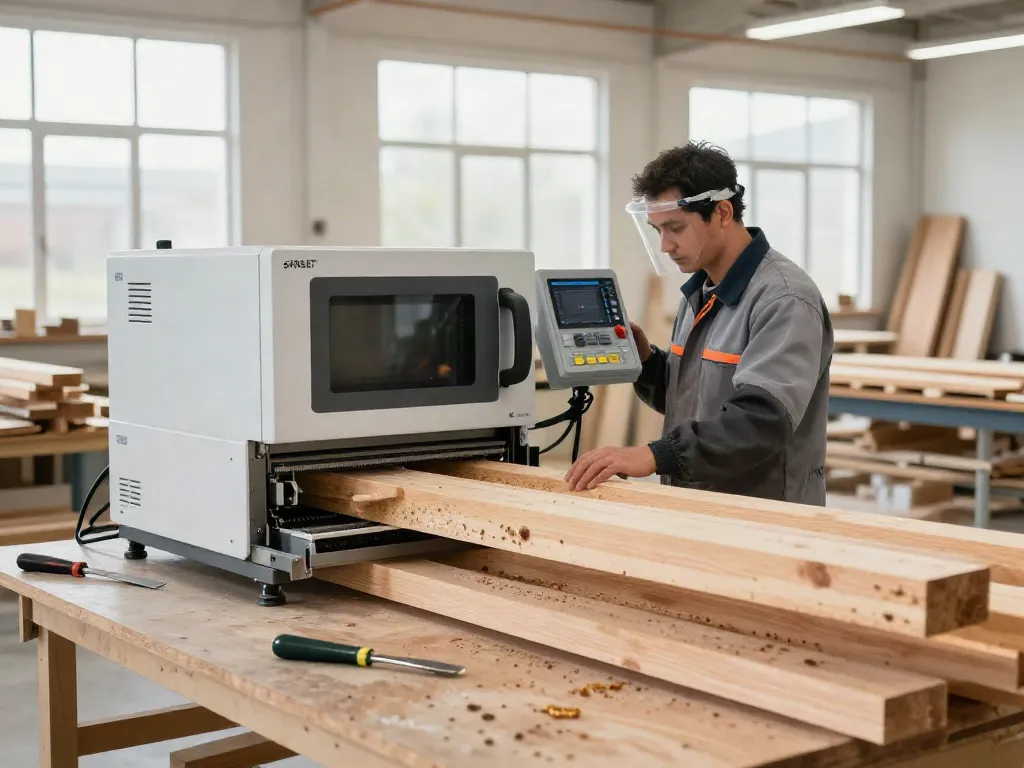
SHASHEL® employs an innovative microwave technology that targets wood-boring insects at all life stages — larvae, pupae, and adults. The system generates microwaves that penetrate deeply into the wood, raising the temperature to levels that are lethal to pests without causing damage to the material itself. This method provides an effective way to address infestations quickly and efficiently, making it an ideal solution for timber treatment.
Principles of Microwave Pest Elimination
The core principle of SHASHEL® technology lies in its ability to deliver controlled microwave energy which heats the wood uniformly. Unlike traditional treatments that may only treat the surface, this method ensures that the heating effect reaches inner layers, effectively eliminating wood-boring insects hiding deep within the material. Microwave energy disrupts the pests' biological functions, leading to instant mortality and a thorough eradication of infestations.
Comparing SHASHEL® With Traditional Methods
Traditional pest control methods often rely on chemical sprays and treatments, which can be hazardous to health and the environment. In contrast, SHASHEL® offers a non-toxic solution that minimizes risks associated with chemical exposure. Furthermore, traditional methods usually require extended treatment times, while SHASHEL® can achieve results in a matter of minutes, significantly reducing downtime for affected properties.
Safety Features and Environmental Benefits
SHASHEL® systems are designed with safety in mind. They feature built-in temperature controls and monitoring systems to ensure that wood is heated effectively while preventing damage. Moreover, since the process is chemical-free, it presents fewer risks to human health and the environment, making it a sustainable choice for pest management.
Choosing the Right SHASHEL® Model for Your Needs
With a variety of SHASHEL® models available, it's important to choose one that aligns with your specific wood treatment requirements. Each model is designed for different applications, ranging from small-scale domestic use to larger industrial needs, ensuring that every user can find a viable solution for their situation.
Identifying Your Specific Wood Treatment Requirements
Before selecting a SHASHEL® model, assess the types of wood you need to treat, the extent of the infestation, and your treatment environment. For instance, small wooden artifacts may only require a compact model, whereas larger structures such as attics or warehouses may benefit from more powerful systems capable of handling extensive areas. Understanding your needs is key to maximizing the effectiveness of the treatment.
Comparison of SHASHEL® Models Available in 2026
As of 2026, SHASHEL® offers several models, including the Standard, Professional, and Advanced versions. Each model varies in terms of power output, treatment capacity, and specific features. The Standard unit is perfect for light infestations in domestic settings, while the Professional model is suited for larger projects that require more rigorous treatment. The Advanced model includes additional features like automated monitoring and reporting capabilities, making it ideal for commercial applications.
Expert Recommendations for Different Use Cases
For homeowners, the Standard SHASHEL® model typically suffices for addressing common woodworm issues. For businesses dealing with larger quantities of wood, such as furniture manufacturers or lumber yards, the Professional or Advanced models are recommended to ensure comprehensive coverage and optimal pest control outcomes.
Maximizing the Effectiveness of SHASHEL® Equipment
To achieve the best results with SHASHEL® equipment, it’s essential to adhere to best practices throughout the treatment process. Proper usage not only enhances effectiveness but also extends the life of the equipment.
Best Practices for Using SHASHEL® in Wood Treatment
- Ensure that the wood is free from large obstructions and debris to allow for even microwave penetration.
- Follow the manufacturer's guidelines regarding treatment times based on wood thickness and type.
- Regularly maintain and calibrate the SHASHEL® unit to ensure optimal performance.
Common Mistakes to Avoid During Treatment
- Under-treating infested wood: Always assess the extent of the infestation before starting treatment.
- Ignoring safety precautions: Always wear appropriate protective gear when operating equipment.
- Inadequate post-treatment monitoring: Regularly check treated wood for any signs of pest activity post-treatment.
Post-Treatment Care for Treated Wood
After treatment, it's critical to allow the wood to cool and settle before any further handling. Conduct regular inspections for signs of lingering pests, and ensure that treated wood is stored in a controlled environment to prevent new infestations.
Future Trends in Wood Treatment Technology
As pest management technology continues to evolve, advancements in non-chemical treatment methods are on the rise. The demand for eco-friendly solutions is growing, and technologies like SHASHEL® are paving the way for more sustainable pest control practices across the woodworking industry.
Emerging Technologies in Pest Control for 2026
Innovations in pest control technology for 2026 focus on enhancing the efficiency of existing methods, integrating IoT technology for better monitoring and control. Smart devices that track pest activity and provide real-time feedback are becoming more prevalent, allowing for predictive approaches to pest management.
Predictions for the Woodworking Industry
As the woodworking industry continues to innovate, the emphasis on sustainable and chemical-free treatment solutions will grow. Technology like SHASHEL® not only fulfills this demand but also sets new standards for efficacy and safety in pest management.
Expert Insights on Innovations in Pest Management
Industry experts predict a shift towards more automated systems that require minimal human intervention. This will likely involve machine learning algorithms that can identify pest behavior and recommend tailored treatment strategies, enhancing both effectiveness and efficiency.
What Is SHASHEL® and How Does It Work?
SHASHEL® is a revolutionary pest treatment technology that utilizes microwaves to target and eliminate wood-boring insects from timber without chemicals. The system operates by generating microwave energy that penetrates the wood, inducing high temperatures that are lethal to pests. This method is not only effective but also aligns with the growing demand for eco-friendly pest control solutions.
Can SHASHEL® Completely Eliminate Woodworms?
Yes, SHASHEL® provides comprehensive elimination of woodworms at all life stages. Its ability to penetrate deeply into the wood ensures that larvae and adult insects hidden away are effectively neutralized, leading to long-term results when used correctly.
Is SHASHEL® Safe for Home Use?
Absolutely. SHASHEL® is designed for both home and commercial use, with safety features that protect users from exposure to microwave energy and prevent damage to the treated wood. Its non-toxic nature makes it a safe choice for households with children and pets.
What Are the Advantages of Using SHASHEL® Equipment?
The advantages of using SHASHEL® equipment include its speed of treatment, non-chemical approach, and high efficacy. Unlike traditional methods, SHASHEL® eliminates the need for toxic pesticides, reducing health risks and environmental impact. Its ease of use also makes it accessible for users with varying levels of experience.
Where Can I Purchase SHASHEL® Products?
SHASHEL® products are available through various channels, including online retailers and specialized pest control suppliers. For the most comprehensive insights and options, you can visit the official SHASHEL® website.