What is a Cherry Picker?
Definition and Purpose
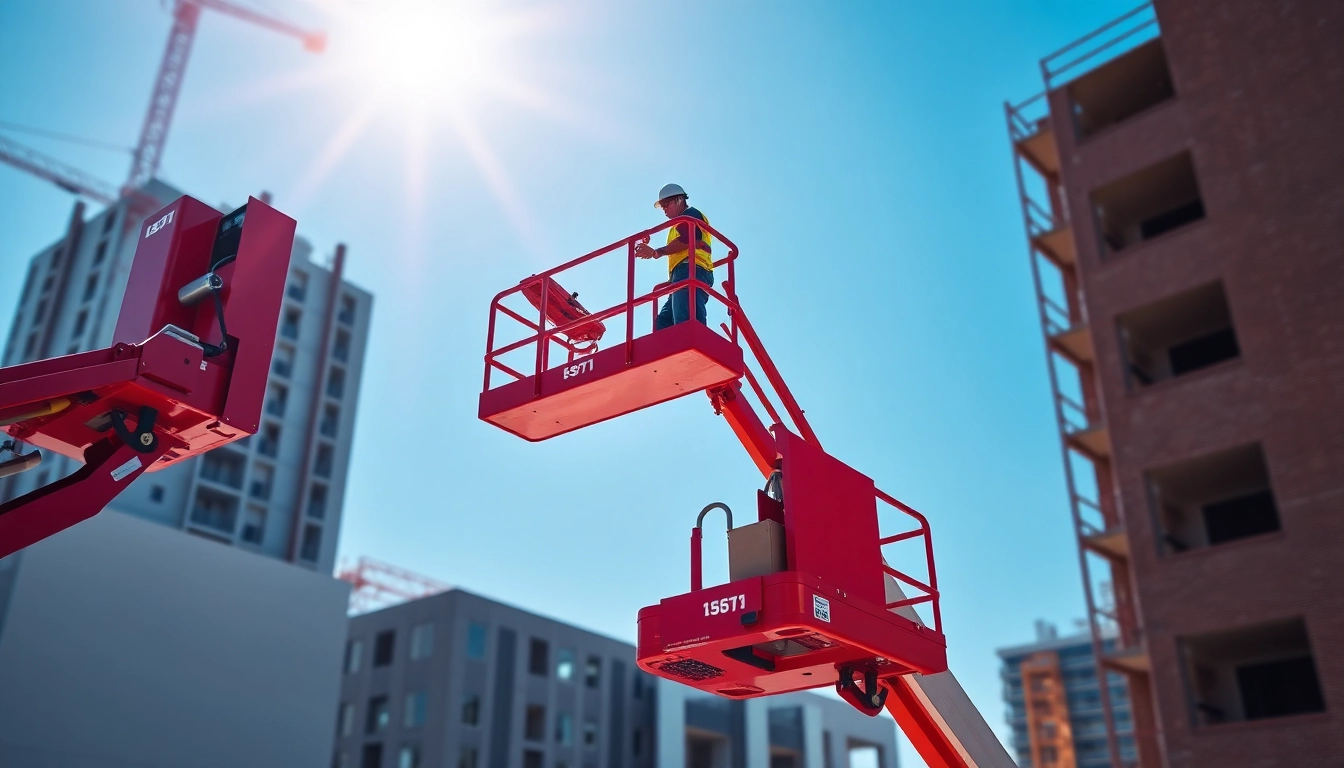
A cherry picker, more formally known as an aerial work platform, is a type of mechanical device that enables workers to gain temporary access to elevated areas. The primary function of a cherry picker is to lift personnel along with their tools and materials to hard-to-reach locations. This piece of equipment is invaluable in various industries, including construction, maintenance, and utility services. Its design allows for controlled access to heights ranging from a few feet to over 200 feet, making it a versatile tool for both indoor and outdoor applications.
Types of Cherry Pickers
Cherry pickers come in several different types, each tailored for specific applications and environmental conditions:
- Telescoping Boom Lifts: These cherry pickers extend vertically and are known for their reach and height capabilities, making them suitable for outdoor applications such as tree trimming and building maintenance.
- Articulating Boom Lifts: Characterized by their jointed arms, these lift types provide flexibility, allowing them to navigate around obstacles and reach areas that require lateral movement.
- Scissor Lifts: Unlike boom lifts, scissor lifts elevate straight up and are ideal for indoor use where space is limited. They are commonly used in warehouses and for maintenance tasks.
- Towable Cherry Pickers: Lightweight and portable, these units can be towed by vehicles and are often used for short-term tasks in remote areas.
Common Applications
Cherry pickers are employed across a variety of sectors for numerous applications:
- Utility Work: Essential for overhead line maintenance and installation, cherry pickers allow workers to access electrical poles safely.
- Construction: They are widely used for installing facades, windows, and roofing, providing workers with necessary elevation.
- Film and Photography: Used for capturing aerial shots, cherry pickers allow camera operators to achieve stable elevations for shooting.
- Tree Services: These tools are perfect for pruning trees and assessing their health from above.
How Cherry Picker Works
Mechanics of Operation
The operation of a cherry picker involves hydraulic or electric power systems that control the lift's movement. The core components include:
- Base Platform: Serves as the foundational structure from which the lift operates. It is crucial for stability.
- Lifting Mechanism: Typically hydraulic, allowing smooth ascension and descent of the platform.
- Control Systems: Operators use joysticks or buttons to maneuver the lift and its extension.
Safety Features
Cherry pickers are equipped with several safety features to protect operators and bystanders:
- Safety Harnesses: Require workers to secure themselves to the platforms to prevent falls.
- Emergency Stop Buttons: Allow instant shutdown in case of malfunction or hazardous situations.
- Stability Sensors: Monitor the lift's balance and can restrict operations if the unit is on uneven ground.
- Guardrails: Provide additional safety by preventing accidental falls from the platform.
Best Practices for Use
Using a cherry picker safely and effectively requires adherence to best practices:
- Pre-Use Inspections: Always check the equipment for defects or issues before operating.
- Proper Training: Operators must undergo training and certification to use the machinery safely.
- Awareness of Surroundings: Keep an eye on weather conditions and potential hazards like overhead power lines.
- Weight Limits: Adhere strictly to weight restrictions stated in the manual to prevent accidents.
Choosing the Right Cherry Picker
Factors to Consider
When selecting a cherry picker, various factors need to be weighed:
- Height Requirements: Assess the maximum work height needed for the task.
- Terrain: Consider the environment where the cherry picker will be used; some are designed for rough terrain.
- Capacity: Evaluate the weight the model can handle, including personnel and tools.
- Work Area: Ensure that the chosen cherry picker can fit into the required space, especially for indoor projects.
Cost Considerations
Cost is a crucial element in the decision-making process. The price will generally depend on:
- Type of Model: Telescopic boom lifts tend to be more expensive than scissor lifts.
- Features: Additional features like articulating arms or advanced control systems can raise costs.
- New vs. Used: Consider whether buying new equipment or opting for second-hand options makes more financial sense.
Rental vs. Purchase
Choosing between renting and purchasing a cherry picker is essential based on project duration and frequency of use:
- Rental: Best for short-term projects, provides flexibility without the burden of maintenance.
- Purchase: Ideal for regular use; it can be more cost-effective in the long run, although upfront costs are higher.
Maintenance Tips for Cherry Picker
Routine Inspections
Regular inspections are vital to ensure that cherry pickers operate safely and efficiently:
- Daily Checks: Inspect tires, controls, and safety features before operation.
- Weekly Checks: Examine hydraulic fluids and electrical connections for integrity.
- Monthly Maintenance: Include comprehensive inspections, including mechanical parts and structural integrity.
Common Issues and Repairs
Familiarity with potential issues can prevent downtime:
- Hydraulic Leaks: A common issue that requires immediate attention to prevent operational failures.
- Electrical Failures: Regularly test electrical systems to prevent lost power.
- Wear and Tear: Regularly assess the bucket and arms for signs of corrosion or damage.
Extending Lifespan
To prolong the life of a cherry picker:
- Use as Intended: Follow the manufacturer's guidelines on usage limits and operational capacities.
- Keep Clean: Regular cleaning helps prevent rust and deterioration, especially in harsh environments.
- Store Properly: When not in use, store in dry, sheltered areas to protect from weather elements.
Frequently Asked Questions
What is the maximum height of a cherry picker?
The maximum height varies, typically ranging from 30 to 200 feet depending on the model selected for the job.
Can a cherry picker be used on uneven ground?
Yes, but it’s crucial to ensure stability; equipment designed specifically for rough terrain should be utilized.
What safety gear is required when using a cherry picker?
Workers should wear hard hats, safety harnesses, and other appropriate personal protective equipment to mitigate risks.
How often should a cherry picker be inspected?
Routine inspections are recommended before each use, along with comprehensive checks at least once a month.
Can cherry pickers be operated by anyone?
No, operators must be trained and certified to ensure safety and compliance with relevant regulations.